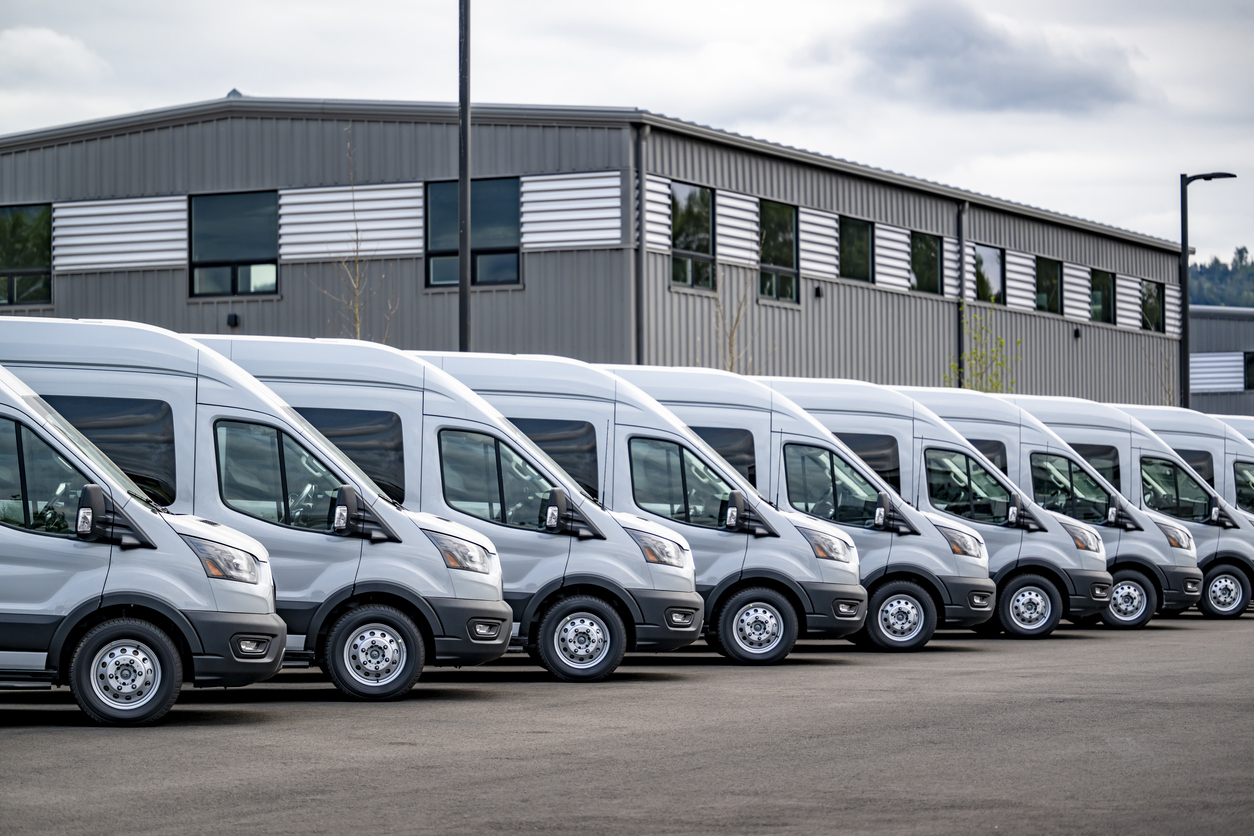
Backing up a commercial vehicle remains one of the most costly and dangerous tasks in fleet operations. Every year, thousands of accidents occur in parking lots, loading docks, and tight warehouse spaces where drivers have limited visibility. These collisions result in vehicle damage, injury liability, operational downtime, and insurance premium increases that compound over time. The financial impact extends far beyond the initial repair bill. When a fleet invests in backup camera systems and related reverse-assist technologies, the return on investment becomes measurable and predictable from the very first use.
1. Understanding the Real Cost of Backing-Up Accidents
Reverse-related incidents represent a significant financial drain on fleet budgets. A single backing accident can easily cost between two thousand and ten thousand dollars when accounting for vehicle repairs, potential medical claims, and administrative time. Larger incidents involving multiple vehicles or property damage can exceed fifty thousand dollars. Beyond the immediate costs, each accident creates ripple effects: increased insurance premiums, driver downtime, customer service disruptions, and damage to the fleet’s safety record. Fleet managers who track these expenses discover that the costs accumulate rapidly, especially in operations with high-volume backing movements such as delivery services, refuse collection, or construction support.
The hidden expenses often exceed direct repair costs. When a driver is sidelined due to injury or required to file incident reports, that lost productivity affects the entire operation. Additionally, accidents on customer property or involving pedestrians can result in liability claims that impact insurance rates for years. Investing in preventative technology addresses these concerns before they become expensive problems that drain profitability and damage company reputation.
2. How Backup Camera Systems Work and What They Provide
Backup cameras mount to the rear of vehicles and transmit a live video feed to a display screen mounted on the driver’s dashboard. This technology eliminates blind spots that exist with traditional mirrors alone, giving drivers a clear, real-time view of obstacles, pedestrians, and property behind their vehicle. Many modern systems include guidance lines overlaid on the video feed, which help drivers understand distance and trajectory as they reverse. The camera activates automatically when the driver shifts into reverse, requiring no additional action or attention to engage the system.
The effectiveness of these systems lies in their simplicity and constant availability. Unlike mirrors that require drivers to physically turn and look, cameras provide a persistent visual reference that captures everything within the camera’s field of view. High-quality systems function reliably in various lighting conditions, from bright sunlight to low-light loading docks. Fleet operations managing high-risk reversing environments, such as busy loading docks and urban delivery routes, rely on a multi camera system for trucks to capture simultaneous views from multiple angles, giving drivers a comprehensive picture of their surroundings during every backing maneuver. That full-perimeter visibility allows faster identification of hazards that might otherwise go unnoticed before they become collision risks.
3. The Documented Safety Improvements and Risk Reduction
Fleet operations that implement backup camera systems consistently report reductions in reversing accidents. The improvement occurs because drivers receive immediate visual feedback rather than relying on judgment, experience, or guesswork about what lies behind their vehicle. Pedestrians, low-profile obstacles, and parked vehicles become visible on screen before they become collision hazards. Drivers gain confidence in their ability to reverse safely, which paradoxically makes them more cautious because they can actually see potential problems.
The safety benefit extends across all driver skill levels. Experienced drivers reduce their accident rate because they have better information. Newer drivers gain an enormous advantage because they develop safer habits from the start, supported by clear visual references. The system functions as a training tool that reinforces correct backing procedures and immediately highlights mistakes before they cause damage. Over time, fleet safety metrics improve noticeably, with fewer incidents reported during backing operations. Insurance companies recognize this improved safety profile, which often leads to premium reductions that help offset the initial technology investment.
4. Calculating the Return on Investment
A backup camera system typically costs between five hundred and twenty-five hundred dollars per vehicle, depending on quality and installation complexity. For a fleet of twenty vehicles, the total investment ranges from ten thousand to fifty thousand dollars. These numbers seem substantial until compared against the cost of even a single major backing accident, which can exceed the entire technology investment for a small fleet. When a fleet prevents just one expensive collision per year, the technology pays for itself immediately.
The return calculation becomes more favorable when fleet managers account for prevented accidents over multiple years. A fleet that averages one backing accident per vehicle every three years could eliminate that pattern through camera system implementation. Over a five-year period, preventing just two or three serious accidents per vehicle far exceeds the initial investment cost. Insurance premium reductions add another financial benefit that is not always accounted for in initial calculations. Additionally, reduced driver injury claims, lower workers compensation insurance costs, and decreased operational disruption all contribute to the overall financial benefit. The payoff is based on the straightforward reality that fewer accidents means lower costs across multiple budget categories.
5. Implementation Strategy and Maintenance Considerations
Fleet managers implementing backup camera systems should prioritize vehicles with the highest reversing frequency and accident risk. Delivery trucks, refuse collection vehicles, and shuttle buses represent good starting points for implementation. Installing the technology across the entire fleet at once creates a large capital expense, while phased implementation allows costs to spread across multiple budget cycles. Drivers need brief training on how to use the system effectively, though most operators quickly become comfortable with the technology since it mimics familiar dashboard displays.
Maintenance and durability matter significantly for long-term value. Quality camera systems are designed to withstand the harsh conditions of commercial vehicle operation, including vibration, temperature extremes, and moisture exposure. Regular inspections ensure cameras remain clean and properly positioned, which preserves their effectiveness. Unlike complex electronic systems that require specialized diagnostics, backup cameras are relatively straightforward to maintain and repair when needed. Having a clear maintenance plan as part of the implementation ensures the technology continues delivering safety and financial benefits throughout its lifespan.
Conclusion
Backup camera systems represent one of the most straightforward technology investments a fleet can make. The upfront cost is manageable, the installation is straightforward, and the benefits become apparent from the first day drivers use the system. By reducing reversing accidents, these cameras lower insurance costs, prevent vehicle damage, and most importantly, keep drivers and pedestrians safer. Fleet managers who implement this technology find that the investment pays for itself through accident prevention, while simultaneously creating a safer work environment for their drivers and the communities they serve. In fleet operations where backing movements happen daily, this technology investment is a practical priority for organizations serious about safety and profitability.

