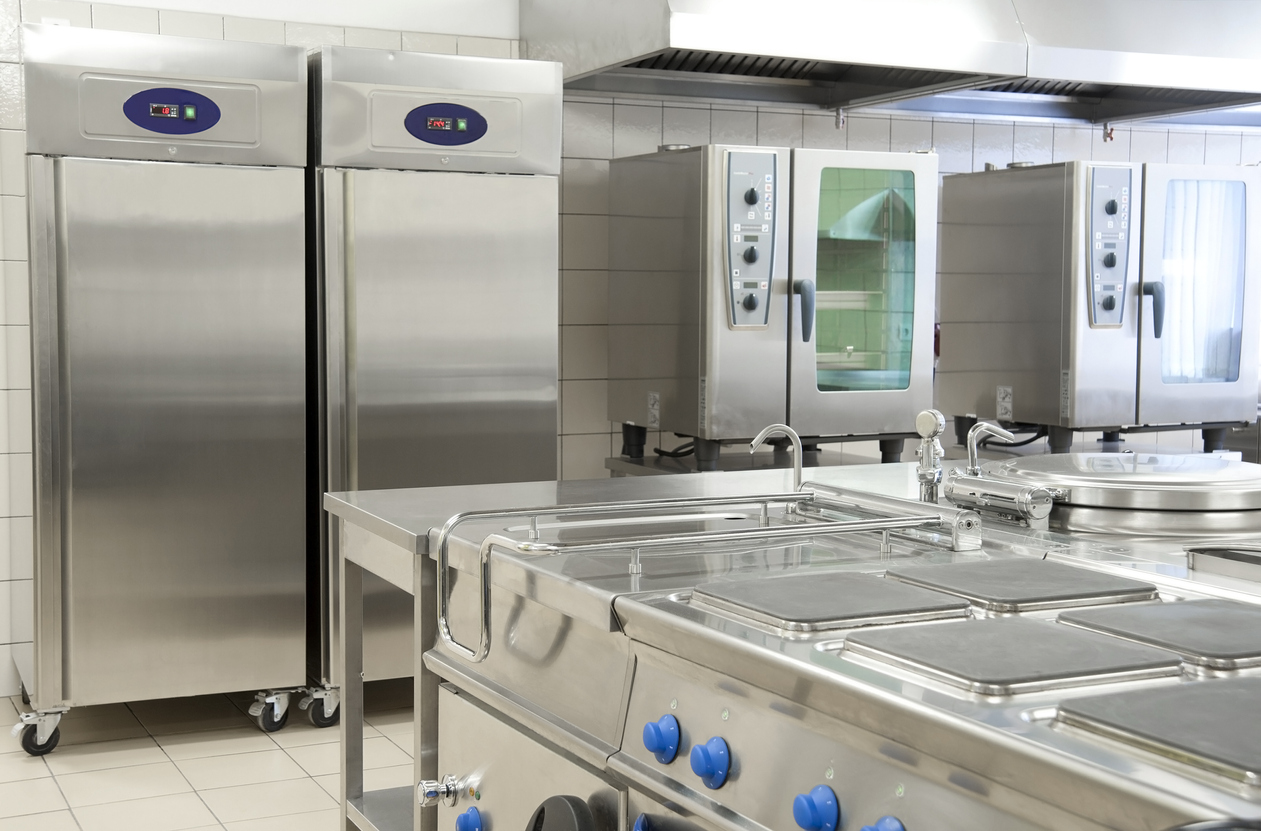
Northeast Florida’s restaurant scene keeps growing, from Riverside and San Marco to the Beaches, Nocatee and St. Augustine. Most first-time owners budget carefully for rent, staff and food cost, then get surprised by the commercial kitchen: how much the equipment really costs to install, what the city and the fire marshal require, and how long it all takes. Here is a practical overview for anyone planning a build-out in the Jacksonville area.

1. Plan the equipment list around your menu, not a catalog
Start with the dishes you will sell most and work backwards. A burger and fries concept needs a griddle, fryers and a strong hood; a café needs espresso, refrigerated display and an ice machine; a full-service restaurant needs walk-in cold storage. Buying “everything” leads to wasted space, higher electric bills and more equipment to maintain.
2. Refrigeration is your biggest risk
Cold storage protects your inventory and your health inspection score. Key decisions:
- Walk-in cooler and freezer size: plan roughly 1 to 1.5 cubic feet of walk-in space per meal served per day, then adjust for delivery frequency.
- Condensing units: in Florida’s heat, outdoor units need shade and airflow; indoor units add heat to the kitchen.
- Reach-ins and prep tables: buy commercial-rated units, not residential refrigerators, which fail quickly and will not pass inspection.
3. The hood system drives your timeline
In Florida, a commercial kitchen with grease-producing cooking equipment needs a Type I hood, ductwork and a fire suppression system that meet NFPA 96 and local fire code. Hood design must be approved before installation, and the suppression system must be tested and tagged before you can open. This is often the longest lead-time item in a build-out, so start it early.
4. Permits you will likely need
Requirements depend on the city or county, but a typical Jacksonville-area restaurant deals with:
- a building permit for the build-out (plumbing, electrical, mechanical);
- mechanical permits for the hood, makeup air and refrigeration;
- fire marshal review and inspection of the hood and suppression system;
- a food service license from the Florida Division of Hotels and Restaurants (DBPR);
- a local business tax receipt.
Your contractor and equipment installer should know which inspections apply, but as the owner you are responsible for making sure every one is passed.
5. Installation is not “plug and play”
Commercial equipment needs the correct gas pressure, dedicated electrical circuits, proper drain connections and clearances. Ice machines need water filtration and an air gap drain; combi ovens need treated water; walk-ins need a level floor and properly sized refrigeration lines. Mistakes here void warranties and cause early failures.
6. Think about service before opening day

Choose a local commercial refrigeration and kitchen equipment company before you need one. Ask whether they install as well as repair, whether they handle permits and relocation, and how fast they respond on weekends. In Jacksonville, operators can compare options such as ALANSY Appliance Repair & Refrigeration, which installs and services walk-ins, ice machines, hoods and cooking equipment across Northeast Florida.
7. Budget for maintenance from day one
Set aside a small monthly amount for coil cleaning, ice machine sanitizing, hood cleaning and refrigeration checks. Preventive maintenance costs a fraction of an emergency repair, and an empty walk-in on a Friday night costs more than both.
Opening a restaurant is a big bet. Planning the kitchen equipment, installation and permits early will not make the work disappear, but it will keep surprises off your opening calendar.
