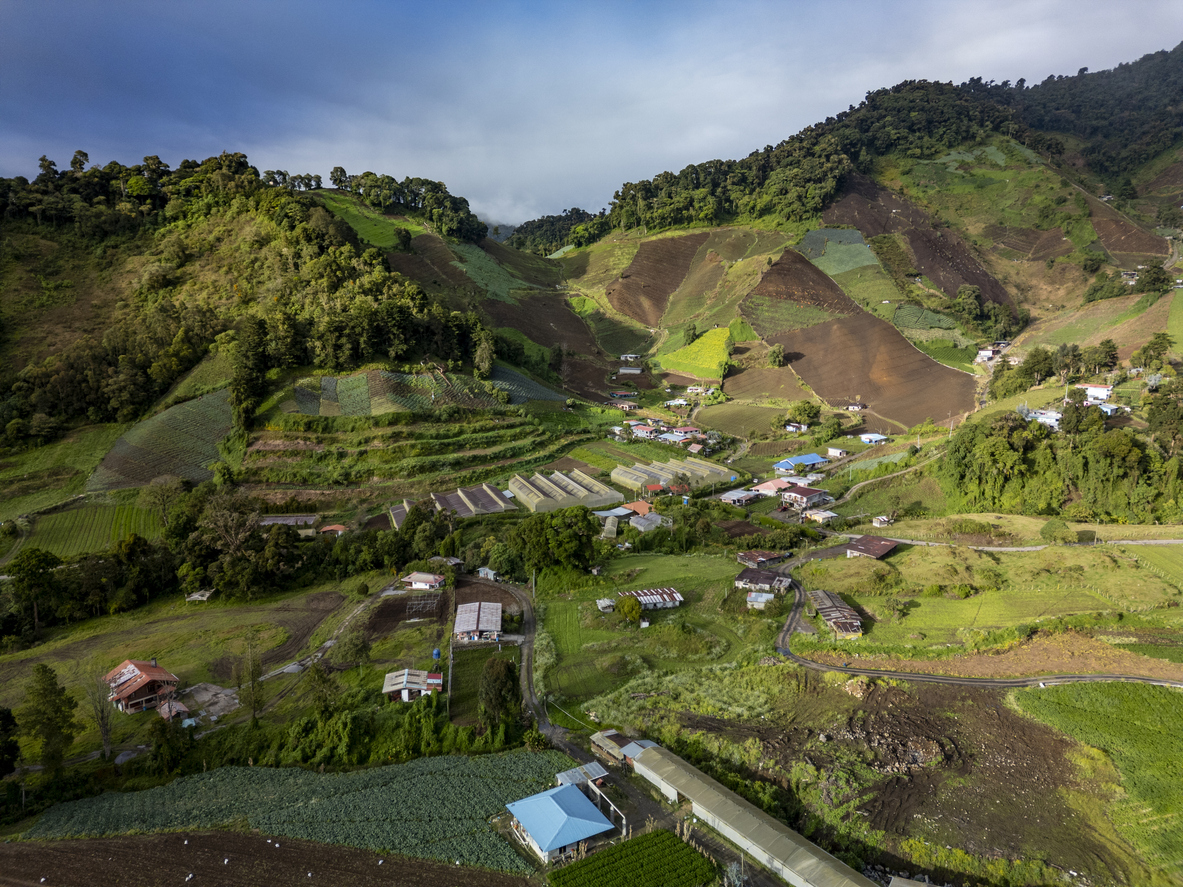
Building a house in a hot, humid coastal climate is a different job from building in Toronto or Denver. The Azuero Peninsula on Panama’s Pacific coast, around towns like Pedasí, shows the difference clearly. Sun, salt air, seasonal downpours, insects and the occasional earthquake all shape how a sound house is built.
Concrete block construction
Most houses in Panama are built with concrete block walls inside a frame of reinforced concrete columns and beams, then rendered and painted. Timber framing is rare, for good reason: termites and damp destroy untreated wood quickly.
The quality of a block house depends on what you cannot see once it is finished: the depth of the footings, the steel in the columns, the strength of the concrete mix and how well the joints were made. That is why supervision during construction matters more than the finish.
Designing for earthquakes
Panama sits in an active seismic region, and the Azuero Peninsula has felt strong earthquakes. Good practice means properly tied reinforcing steel, continuous beams at the top of the walls and an engineer’s design for anything beyond a simple single-storey house. Plans should be stamped by a licensed Panamanian engineer or architect.
Salt, sun and rain
Near the coast, salt air attacks anything metal. Rebar that is too close to the surface rusts and cracks the concrete around it. Galvanised or stainless fixings, good concrete cover over the steel, and quality paint on exposed surfaces make a big difference over ten years.
The sun is strong all year. Wide roof overhangs shade the walls and windows, keep rain off and cut cooling costs. Light-coloured roofs and ventilated roof spaces help too.
The rainy season brings heavy downpours, especially later in the year. Proper slopes, gutters, drainage channels and a raised floor level keep water away from the house.
Air, water and power
Cross ventilation is the cheapest cooling system there is. Houses designed with windows on opposite sides and high ceilings stay noticeably cooler.
In rural areas, water often comes from a well or a municipal line with variable pressure, so many houses include storage tanks and a pump. Power cuts happen, so a backup system is worth planning from the start.
Before you build
Anyone planning a house in the region should see finished projects by the builder, check references, and agree a clear contract and payment schedule tied to stages of work. Land title should be checked by an independent lawyer before any construction begins.
For background on the town itself, land and the local market, see this overview at panama-properties.com/pedasi-panama-real-estate-invest-retire.
A tropical house built with these lessons in mind will be cooler, drier and far cheaper to maintain.
