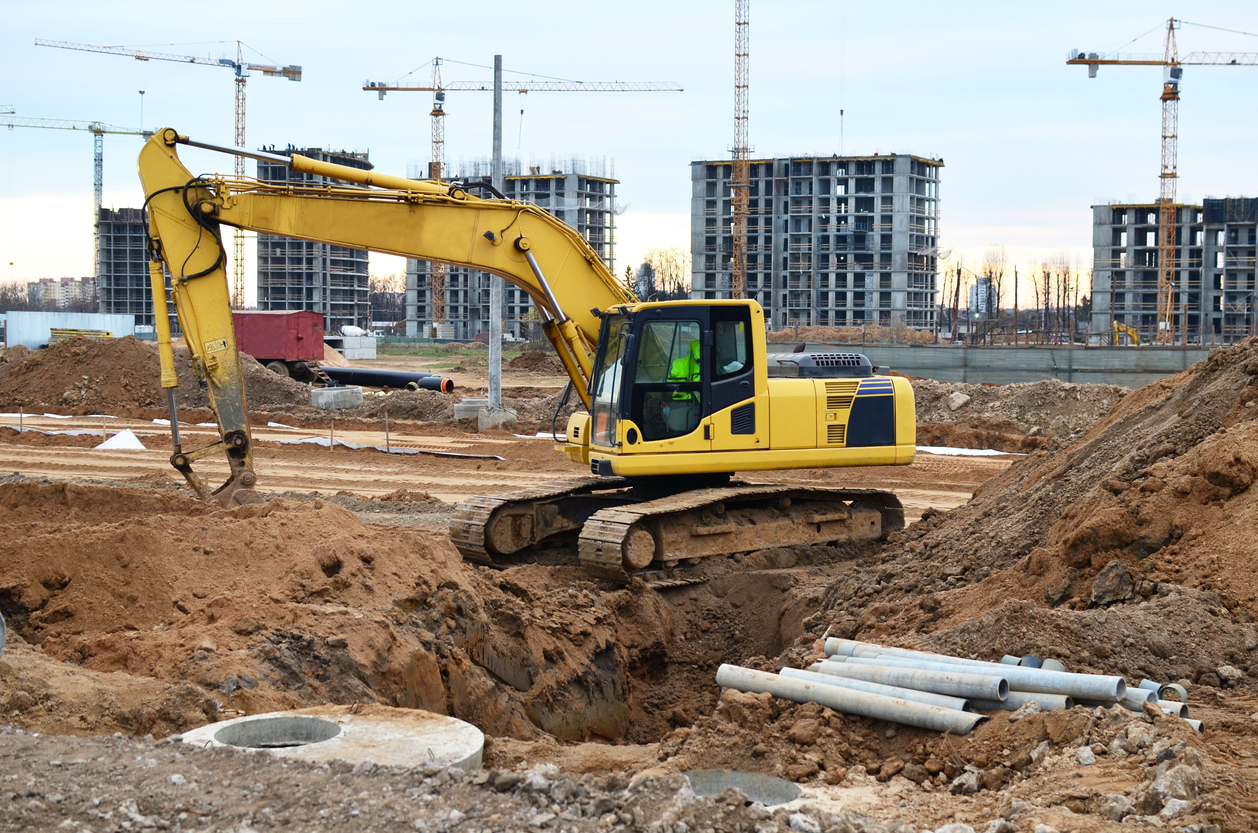
Commercial demolition can be a daunting task for many businessmen. It requires a lot of planning, organization, and hard work. And if you don’t stay organized throughout the process, things can quickly go wrong. That’s why it is crucial to know the steps involved in demolition and to stay organized during the process. In this blog post, we will give you a guide on how to stay organized during commercial demolition, from using rental equipment to roll-off dumpsters for cleanup.
Plan Ahead
Planning ahead is one of the most critical steps in commercial demolition. You need to make a plan for every step of the process, from acquiring necessary permits to disposing of waste materials legally. A well-planned demolition will save you time and money in the long run. It is also essential to establish a demolition schedule and communicate it to your team and stakeholders. By keeping communication open, you’ll be able to ensure you stay on schedule and stay informed of any complications or setbacks.
Safety First
Demolition sites are hazardous places. Ensuring the safety of your team and stakeholders is your top priority. Make sure everyone involved in the project is well-trained in demolition safety procedures. Set up warning and caution signs, barriers, and walkways to minimize accidents. Have a safety plan and emergency response plan in place. Conduct regular safety training and meetings.
Rent Equipment or Hire a Contractor
Deciding whether to rent equipment or hire a contractor is another integral part of the demolition process. If you have the necessary expertise within your team, renting equipment can be a more cost-effective option. However, if you lack the necessary skills, hiring a professional contractor, like Terry Equipment Company, LLC, can save you from potential mistakes that could be costly and dangerous. Always consider the nature of the project, your budget, your timeline, and the resources you have at your disposal before making a decision.
Keep Hazardous Materials Separate
During commercial demolition, there are likely to be hazardous materials that need to be handled and disposed of properly. These materials can include asbestos, lead, and other hazardous substances. Make sure to keep these materials separate from other debris and dispose of them while following local regulations. This will help you avoid fines and other legal issues, and keep your demolition site safe and organized.
Use Roll-Off Dumpsters to Separate Waste
Commercial roll-off dumpsters are a fantastic resource for managing waste effectively during a demolition project. By having separate dumpsters for different types of waste (like concrete, wood, metal, and hazardous materials), you can ensure that each material type is disposed of appropriately, whether that be through recycling or specific waste facilities. Additionally, using roll-off dumpsters can keep the demolition site clean and organized, making it safer and more efficient for your team. Lastly, using a professional dumpster rental service can provide you with the flexibility to swap out full dumpsters for empty ones as needed, keeping your project moving without delays.
Keep Track of Expenses
You want to stay organized and on track with expenses. Create a budget plan before the demolition starts, assign a point person to manage finances, and find ways to cut costs without sacrificing quality. Keep track of invoices, receipts, and transactions. This helps you deal with billing and payments efficiently and ensures the project stays on track within the budget.
In conclusion, staying organized during a commercial demolition is a necessity. By following these guidelines, you can ensure that your project proceeds smoothly, safely, and efficiently. From planning, prioritizing safety, and choosing between renting equipment or hiring a contractor, to handling hazardous materials properly, and utilizing roll-off dumpsters, every step requires detailed attention and careful execution. Always remember to keep an eye on your expenses to ensure you stay within budget. Commercial demolition may be a challenging task, but with a well-thought-out strategy, it is certainly manageable.

