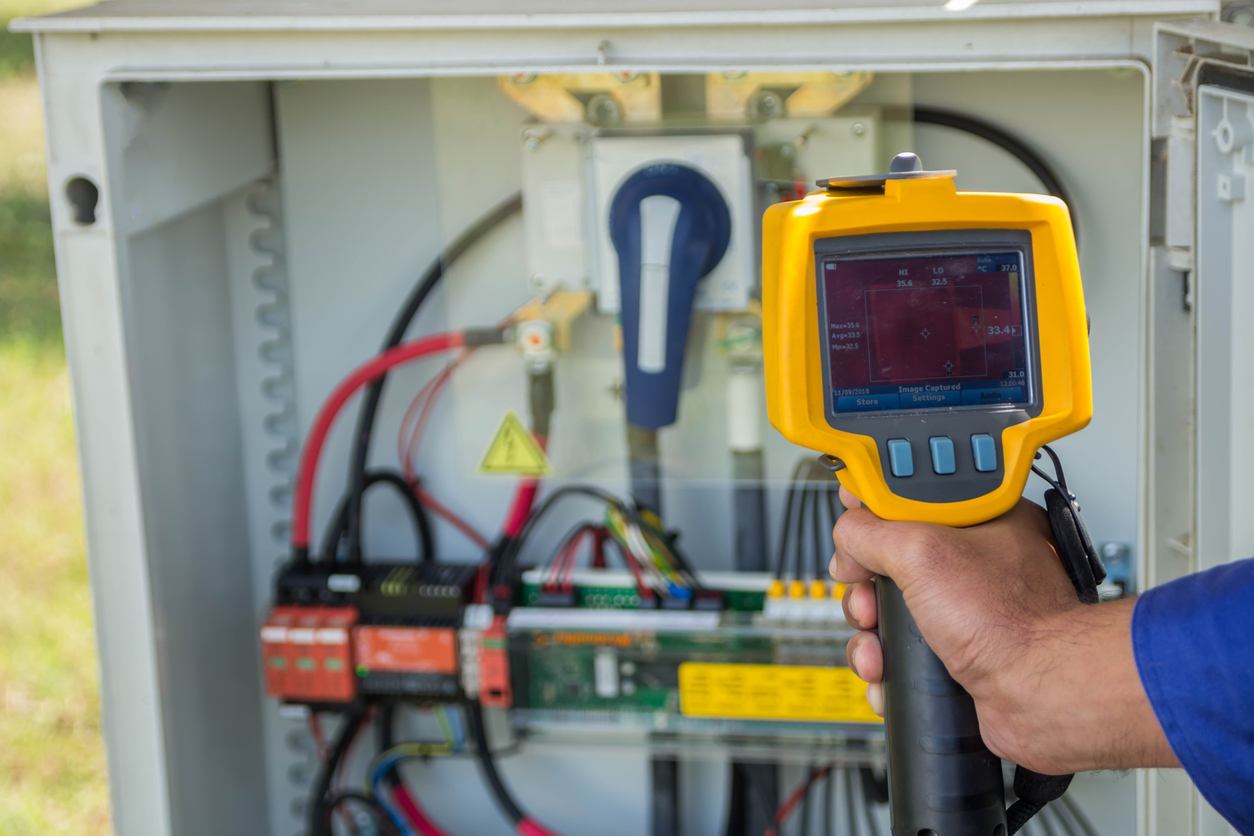
When it comes to temperature measurement, selecting the right probe is crucial. Whether you’re monitoring the temperature of your homebrew beer, ensuring food safety in a commercial kitchen, or maintaining precise conditions in a laboratory, the accuracy and reliability of your temperature sensor can make all the difference. But with so many options available on the market, how do you know which probe is the right one for your needs?
Understanding Your Application Needs
Consider the following questions before shopping with temperature sensor manufacturers:
What is the temperature range you need to measure?
Knowing the temperature range you’ll be working with is crucial. Some sensors are designed for extreme temperatures, while others are more suited to moderate environments.
What level of accuracy do you require?
Accuracy is paramount in many applications, especially in industries like healthcare and manufacturing. Determine the level of precision you need to ensure reliable temperature readings.
How quickly do you need the sensor to respond?
In some scenarios, such as HVAC systems or industrial processes, rapid response times are essential. Make sure to select a sensor that can provide real-time temperature data if needed.
Types of Temperature Sensors
Temperature sensors come in various types, each with its own strengths and weaknesses. Let’s take a look at some common options:
Thermocouples
- Pros: Wide temperature range, durable, inexpensive.
- Cons: Lower accuracy compared to other sensors, susceptible to electromagnetic interference.
Resistance Temperature Detectors (RTDs)
- Pros: High accuracy, stable over time, suitable for precise measurements.
- Cons: Limited temperature range, more expensive than thermocouples.
Thermistors
- Pros: High sensitivity, compact size, suitable for applications requiring precise temperature control.
- Cons: Limited temperature range, nonlinear response.
Infrared Sensors
- Pros: Non-contact measurement, suitable for monitoring moving objects or inaccessible areas.
- Cons: Limited accuracy at longer distances, affected by environmental factors like dust and humidity.
Environmental Considerations
The operating environment plays a significant role in determining the suitability of a temperature sensor. Consider the following environmental factors:
Moisture and Humidity
If your application involves high levels of moisture or humidity, choose a sensor with adequate protection against these elements to prevent damage and ensure accurate readings.
Chemical Exposure
In environments where sensors may come into contact with corrosive chemicals or solvents, opt for probes made from materials resistant to chemical corrosion.
Physical Shock and Vibration
For industrial applications or outdoor installations subject to physical shock and vibration, select sensors with robust construction to withstand these conditions and maintain accuracy.
Mounting Options
The way in which you mount your temperature sensor can impact its performance and longevity. Here are some common mounting options to consider:
Direct Contact Probes
These probes come into direct contact with the object or medium whose temperature you’re measuring. They’re suitable for applications where precise temperature readings are required.
Surface-Mounted Sensors
Surface-mounted sensors are affixed to the exterior of an object or surface using adhesive or mounting brackets. They’re ideal for monitoring temperature changes in machinery, walls, or other surfaces.
Immersion Probes
Immersion probes are designed to be submerged in liquids or gases, making them suitable for applications such as food processing, HVAC systems, and scientific research.
Connectivity and Integration
In today’s interconnected world, the ability to seamlessly integrate temperature sensors into existing systems is essential. Consider the following connectivity options:
Wired vs. Wireless
Choose between wired sensors, which require physical connections to a monitoring device, or wireless sensors, which communicate data wirelessly via Bluetooth, Wi-Fi, or other protocols.
Compatibility with Monitoring Systems
Ensure that your chosen temperature sensor is compatible with the monitoring software or systems you plan to use. Look for sensors that support industry-standard protocols for easy integration.
Power Requirements
Consider the power requirements of your temperature sensor, especially if you’re opting for wireless or battery-powered models. Choose sensors with efficient power management to maximize battery life.
Cost and Budget Considerations
While cost shouldn’t be the sole determining factor, it’s essential to consider your budget when selecting temperature sensors. Compare the upfront costs of different sensor options, taking into account factors such as durability, accuracy, and long-term maintenance requirements.
Conclusion
Choosing the right temperature probe requires careful consideration of various factors, including your application needs, environmental conditions, mounting options, connectivity requirements, and budget constraints.
Frequently Asked Questions
Q: What is the difference between thermocouples and RTDs?
A: Thermocouples and Resistance Temperature Detectors (RTDs) are both types of temperature sensors, but they operate on different principles. Thermocouples generate a voltage proportional to the temperature difference between two junctions, while RTDs change resistance with temperature. RTDs typically offer higher accuracy and stability compared to thermocouples but have a more limited temperature range.
Q: Can I use the same temperature sensor for indoor and outdoor applications?
A: It depends on the sensor’s specifications and environmental ratings. Some temperature sensors are designed to withstand outdoor conditions, including temperature fluctuations, moisture, and UV exposure, while others are more suited to indoor use. Be sure to check the manufacturer’s specifications and choose a sensor rated for your specific application environment.
Q: How do I calibrate a temperature sensor?
A: Calibration ensures that a temperature sensor provides accurate and reliable readings. Depending on the sensor type and application, calibration may involve comparing the sensor’s output to a known reference temperature or using calibration equipment to adjust the sensor’s output. It’s recommended to follow the manufacturer’s guidelines for calibration or consult a professional calibration service for precise results.
Q: How often should I replace a temperature sensor?
A: The lifespan of a temperature sensor depends on various factors, including its quality, operating conditions, and frequency of use. While some sensors can last for years with proper maintenance and calibration, others may require more frequent replacement due to wear and tear or exposure to harsh environments. Monitor the sensor’s performance over time, and consider replacing it if you notice significant deviations from expected readings or decreased accuracy.

