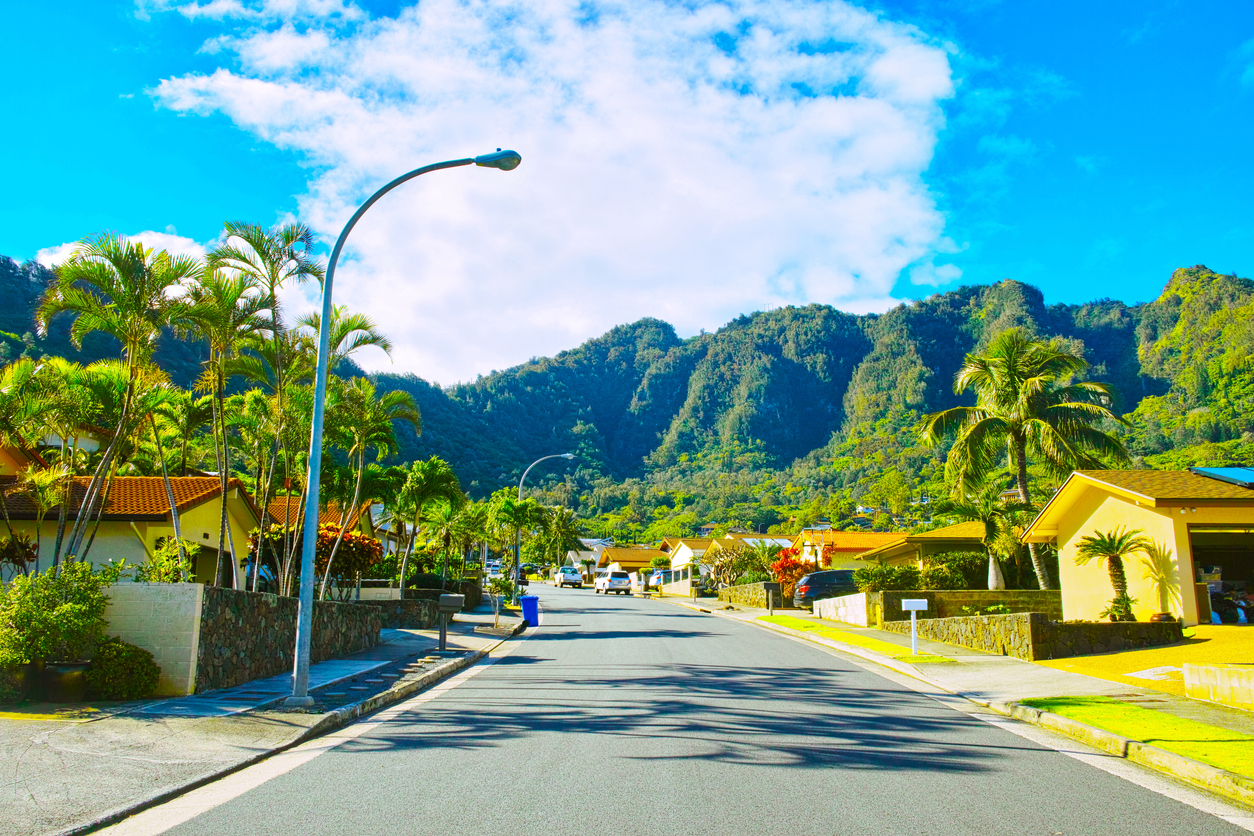
Just like a knight’s armor, your roof is the first line of defense against the unique weather conditions in Hawaii; from tropical storms to intense sunlight. It’s crucial to keep it in top shape, but where do you start?
Let’s discuss the essential roof maintenance tips specifically tailored for Hawaiian homes, how to handle storm damage, prevent salt and sun damage, and the best seasonal care practices to maintain the longevity of your roof.
Stay with us, as there’s much to learn about protecting your home from the top down.
Understanding Hawaii’s Unique Weather Conditions
In the face of Hawaii’s unique weather conditions, you’ll find it’s crucial to understand how the ever-present sun, frequent rain showers, and salty sea air can affect the longevity of your roof. The sun’s relentless rays can cause your shingles to deteriorate prematurely, leading to cracks or curling. This can subsequently expose the underlayment, making your roof susceptible to leaks.
Rain, particularly the frequent, heavy showers common in Hawaii, can cause water to seep under damaged shingles, leading to rot and mold. This not only affects your roof’s structural integrity, but can also pose health risks to your household.
The salty sea air, while providing a refreshing breeze, can be highly corrosive, especially for roofs made of metals such as steel and aluminum. Over time, this corrosion can weaken your roof, leading to potential structural issues.
Essential Roof Maintenance Tips
Given the challenges posed by Hawaii’s unique weather conditions, it’s important that you’re diligent about regular roof maintenance to prevent serious damage. It’s not just about keeping your roof looking good; it’s about ensuring it can withstand the elements and provide the protection your home needs.
First off, make sure to conduct regular roof inspections. Look for any signs of wear and tear, such as cracked or missing shingles, and make necessary repairs promptly. This can help prevent minor issues from turning into major problems down the line.
Regular cleaning is also essential. Remove debris like leaves or branches that can collect on your roof and trap moisture, potentially leading to mold and rot. Don’t forget to clean your gutters too, as clogged gutters can cause water to back up and damage your roof.
Consider using roof sealant for added protection against Hawaii’s harsh sun and frequent rain. A good sealant can help to extend the lifespan of your roof and keep it in top shape.
Lastly, don’t overlook the importance of professional inspections. Experienced roofing contractors can spot issues you might miss and can provide valuable advice on maintaining your roof’s health.
Dealing With Tropical Storm Damage
When tropical storms hit, it’s crucial you’re prepared to effectively handle any resulting roof damage. The initial step is to assess the damage. You’ll need to look for visible signs such as missing or damaged shingles, leaks inside your home, or debris lodged in your roof. Be careful, though, as roofs can be slippery and unstable after a storm. It’s always best to enlist the help of a professional for a thorough inspection.
Once the damage is assessed, it’s important to act quickly to prevent further issues. This could mean installing a tarp to cover exposed areas, removing any debris, or beginning repairs. Keep in mind that some damage mightn’t be immediately visible. For instance, water can seep under shingles and cause rot over time.
Next, you’ll want to contact your insurance company to report the damage. It’s helpful to take pictures and document everything for your claim. Remember, timing is crucial. The sooner you report, the quicker your claim can be processed.
Lastly, hire a reputable roofing contractor to carry out necessary repairs. They’ll have the right tools and expertise to ensure your roof is restored to top condition.
Preventing Salt and Sun Damage
Beyond tropical storms, you also need to be vigilant about the consistent damage from Hawaii’s salt air and intense sun. The salt-laden air can corrode your roof’s materials, while the relentless sun can cause it to fade and crack. Prevention is key, and there are specific steps you can take to protect your roof.
Firstly, consider investing in salt-resistant roofing materials. While it’s true they may cost a bit more upfront, they’ll save you money in the long run by reducing the need for frequent repairs and replacement. Common choices include metal, slate, and clay tiles, as they’re known for their resistance to salt corrosion.
Secondly, regularly applying a UV-resistant roof coating can greatly reduce sun damage. This coating deflects the sun’s harmful rays, preventing them from fading and cracking your roofing materials. It’s a small investment that can add years to your roof’s lifespan.
Lastly, routine inspections can catch early signs of salt and sun damage, allowing you to address them promptly. Ideally, you should have a professional inspect your roof at least once a year. Don’t overlook this step; it’s essential to maintaining your roof in top shape.
Seasonal Roof Care Recommendations
Hawaii’s distinct seasons demand a tailored approach to roof care, and understanding this can help you ensure your roof’s longevity. The tropical climate, with its rainy winters and dry summers, requires strategic maintenance to combat the elements effectively.
During Hawaii’s wet season, from November to March, it’s crucial to check your roof for leaks. Rainwater can seep into small cracks, causing significant damage over time. Ensure your gutters are clear of leaves and debris, allowing water to flow freely off your roof.
In contrast, the dry season, running from April to October, exposes your roof to intense sunlight. Ultraviolet rays can degrade roofing materials, leading to cracks and potential leaks. Consider applying a reflective roof coating to deflect harmful UV rays and reduce heat absorption.
In both seasons, it’s advisable to remove any fallen branches or debris promptly. These can cause physical damage and encourage the growth of mold and mildew, which can further deteriorate your roof.

