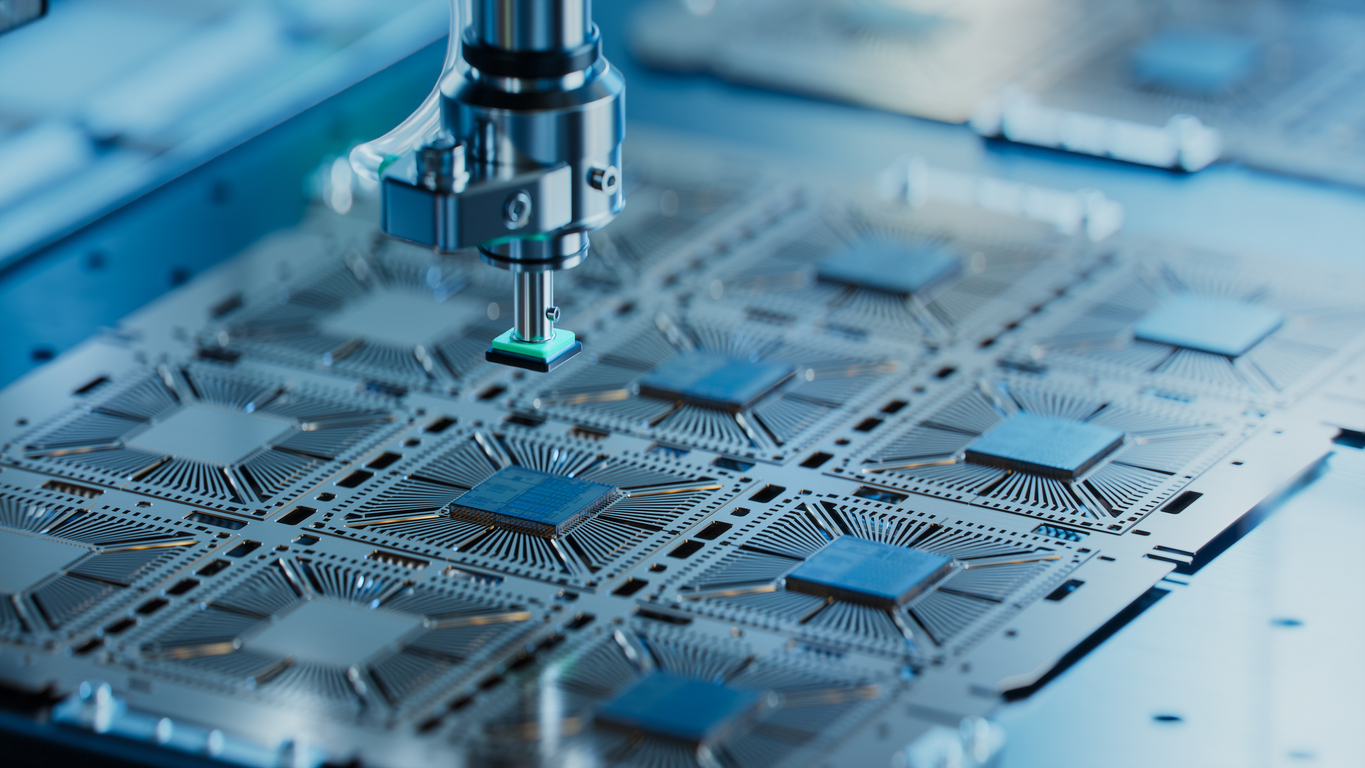
Microchips are a crucial component in today’s technology-driven world. From smartphones to cars, microchips play a vital role in powering the devices we rely on every day. However, producing microchips is a complex process that requires precision and expertise. This blog post will discuss five important things to know about producing microchips.
Clean Room Environment
One of the most critical aspects of producing microchips is maintaining a clean room environment. The manufacturing process for microchips involves working with incredibly small components that can be easily contaminated by dust or other particles. To prevent any impurities from affecting the quality of the microchips, production facilities must have clean rooms with controlled air filtration systems. Workers in these facilities must also wear special protective clothing to minimize the risk of contamination.
Semiconductor Materials
Microchips are made from semiconductor materials such as silicon, which has unique electrical properties that make it ideal for use in electronic devices. The process of producing microchips involves creating intricate patterns on silicon wafers through a series of steps that include deposition, lithography, etching, and doping. These steps require specialized equipment and expertise to ensure that the final product meets strict quality standards.
Advanced Manufacturing Techniques
Producing microchips requires advanced manufacturing techniques that enable manufacturers to create smaller and more powerful chips with increased functionality. Techniques such as photolithography, from sources like Ultratech Saturn, and ion implantation are used to create the intricate patterns on silicon wafers that form the basis of microchips. Manufacturers are constantly innovating and investing in new technologies to improve the efficiency and performance of their production processes.
Testing and Quality Control
Once the manufacturing process is complete, each batch of microchips undergoes rigorous testing and quality control procedures to ensure that they meet specifications. Testing may involve checking for defects, measuring performance characteristics, and verifying functionality under various operating conditions. Any chips that do not meet the required standards are discarded or reworked before being packaged for shipment.
Supply Chain Management
Producing microchips involves managing a complex supply chain that includes sourcing raw materials, coordinating with suppliers, and overseeing logistics operations. Manufacturers must carefully plan their production schedules to meet customer demand while also ensuring that they have an adequate supply of materials on hand at all times. Effective supply chain management is essential for maintaining efficient operations and delivering high-quality products to customers.
Producing microchips is a sophisticated process that requires specialized knowledge, skills, and equipment. By understanding these five key aspects of chip production – clean room environments, semiconductor materials, advanced manufacturing techniques, testing and quality control, and supply chain management – manufacturers can optimize their operations and deliver high-performance chips that power our modern technology-driven world.

