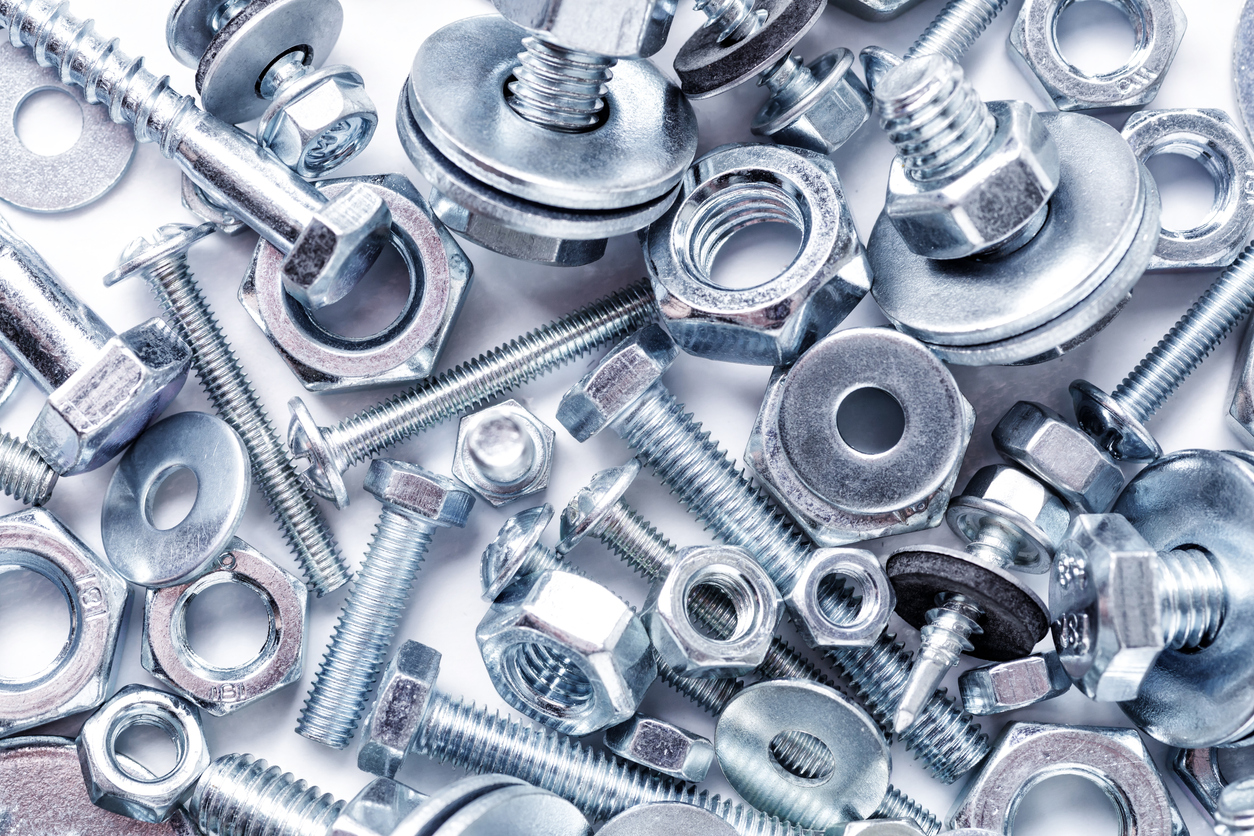
Outdoor projects require materials that can withstand the elements, maintain structural integrity, and provide long-lasting performance. Whether you are building a deck, installing fencing, constructing a pergola, or anchoring outdoor equipment, the fasteners you choose play a critical role in the durability and safety of the final structure. Because outdoor environments expose materials to moisture, temperature changes, UV rays, and corrosion, selecting the right fasteners is essential. Taking time to evaluate your options ensures your project remains secure, stable, and visually appealing for years.
Understand the Environmental Conditions
The first factor to consider when choosing fasteners for outdoor projects is the environment in which they will be used. Humidity, rainfall, salt exposure, and temperature fluctuations all affect how fasteners perform over time. For example, coastal areas require fasteners with higher corrosion resistance due to salt in the air, while regions with heavy rainfall demand materials that can withstand constant moisture.
Understanding your climate helps you choose fasteners that resist rust, corrosion, and degradation. Stainless steel, galvanized steel, and coated fasteners are common choices for outdoor use because they offer enhanced protection. Matching the fastener material to your environment ensures long term reliability and reduces the need for frequent replacements.
Choose the Right Material for Durability
Fastener material is one of the most important considerations for outdoor projects. Not all metals perform the same when exposed to the elements. Stainless steel is highly resistant to rust and corrosion, making it ideal for high moisture environments. Galvanized steel is another strong option, offering a protective zinc coating that shields the metal from corrosion.
For projects that require anchoring or structural support, many builders rely on reputable galvanized anchor bolts because they provide strength and weather resistance. Coated fasteners, such as those with ceramic or polymer finishes, also offer added protection and are suitable for a variety of outdoor applications. Choosing the right material ensures your fasteners maintain their integrity even under harsh conditions.
Match Fasteners to the Project’s Structural Needs
Different outdoor projects require different levels of strength and support. A decorative garden feature may not need the same fasteners as a load bearing deck or pergola. Before selecting fasteners, consider the weight, movement, and stress the structure will endure.
For heavy duty applications, choose fasteners designed for structural use, such as lag bolts, carriage bolts, or heavy duty screws. For lighter projects, standard exterior screws or nails may be sufficient. Ensuring your fasteners match the structural demands of your project helps prevent failures, sagging, or instability over time.
Ensure Compatibility With the Materials You Are Using
Fasteners must be compatible with the materials they join. Wood, metal, composite materials, and masonry all require different types of fasteners to ensure proper performance. Using the wrong fastener can lead to splitting, corrosion, or weakened connections.
For example, pressure treated lumber contains chemicals that can react with certain metals, causing premature corrosion. In these cases, stainless steel or hot dipped galvanized fasteners are recommended. Composite decking often requires specialized screws designed to prevent mushrooming or cracking. Masonry projects need anchors or bolts specifically engineered for concrete or brick. Matching fasteners to your materials ensures a secure and long lasting connection.
Consider Corrosion Resistance and Protective Coatings
Corrosion is one of the biggest threats to outdoor fasteners. Over time, rust can weaken connections, stain surrounding materials, and compromise structural integrity. Choosing fasteners with strong corrosion resistance is essential for maintaining the longevity of your project.
Protective coatings such as galvanization, ceramic coatings, and polymer finishes help shield fasteners from moisture and oxidation. Hot dipped galvanized fasteners offer a thicker, more durable coating than electro galvanized options, making them better suited for outdoor use. Stainless steel provides natural corrosion resistance without the need for coatings. Evaluating the level of protection needed for your environment helps you choose fasteners that will stand up to the elements.
Pay Attention to Size and Thread Type
Fastener size and thread type directly affect how well they hold materials together. Using fasteners that are too short, too thin, or improperly threaded can lead to weak connections and structural issues. Before purchasing fasteners, review the recommended specifications for your project.
Coarse threaded fasteners are typically used for wood because they grip the fibers effectively, while fine threaded fasteners are better suited for metal. Length is equally important. Fasteners should penetrate deep enough to create a secure hold without protruding or causing damage. Choosing the correct size and thread type ensures your project remains stable and secure.
Don’t Overlook Aesthetic Considerations
While functionality is the top priority, aesthetics also matter in outdoor projects. Visible fasteners can impact the overall appearance of your structure. Choosing fasteners with finishes that complement your materials can create a cleaner, more polished look.
Black coated screws, stainless steel finishes, and decorative bolt heads can enhance the visual appeal of decks, fences, and outdoor furniture. Hidden fasteners are another option for projects where a seamless appearance is desired. Considering aesthetics ensures your project looks as good as it performs.
Conclusion
Selecting the right fasteners is essential for the durability, safety, and appearance of any outdoor project. By considering environmental conditions, material compatibility, structural needs, corrosion resistance, size, and aesthetics, you can make informed choices that support long lasting results. If you’d like help matching fasteners to a specific outdoor project you’re planning, I can outline a few tailored recommendations.

