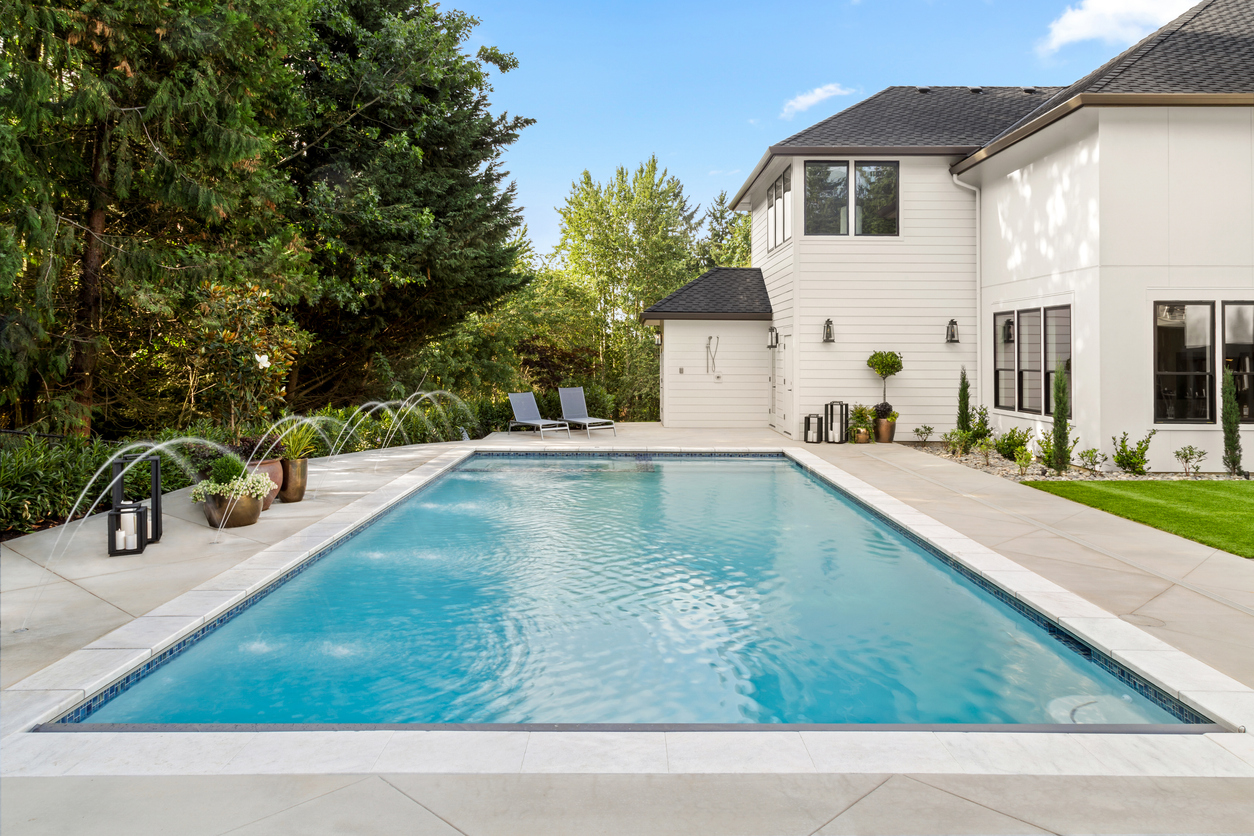
Creating a pool in your backyard is an exciting endeavor. It offers a private oasis for relaxation, exercise, and entertainment. However, the process of constructing a pool involves more than just picking a design you like. To ensure your investment brings long-term satisfaction and adds value to your property, there are several key factors you need to evaluate. This post aims to guide you through these essential considerations, helping you make informed decisions as you plan your ideal pool.
Understand Your Needs and Lifestyle
Before beginning the construction of your pool, it’s crucial to understand how it will fit into your lifestyle. Consider whether the pool will be used mainly for leisure, exercise, or social gatherings. Families with children might prioritize safety features and shallow areas, while fitness enthusiasts may want a lap pool. Reflecting on these needs will influence the shape, size, and depth of your pool.
Additionally, think about how the pool complements your daily routine. If you plan to swim regularly, ease of maintenance and accessibility should be high priorities. Understanding your lifestyle needs ensures that your pool enhances your quality of life rather than becoming a burden.
Assess Your Budget
Budget is a critical factor in pool construction. The initial cost of building a pool can vary widely depending on its size, materials, and features. Beyond construction, consider long-term expenses such as maintenance, utilities, and potential repairs. Establishing a clear budget helps in making choices that align with your financial capacity.
While it might be tempting to opt for cheaper materials or features, it’s essential to weigh the pros and cons. Investing in high-quality materials and professional installation can save money in the long run by minimizing maintenance and increasing the pool’s lifespan.
Choose the Right Location
Selecting the perfect spot for your pool is vital for maximizing its enjoyment and functionality. Examine the layout of your yard and determine a location that provides ample sunlight, which helps keep the water warm and reduces heating costs. Consider the proximity to your home and existing outdoor spaces to ensure convenient access and integration.
You also need to think about local regulations and zoning laws that might impact your pool’s placement. Consulting with a professional can help you understand these rules and ensure compliance, preventing potential legal issues down the line.
Select Appropriate Materials
The materials you choose for your pool significantly affect its aesthetics, durability, and maintenance needs. Concrete, fiberglass, and vinyl are common materials with distinct advantages and drawbacks. Concrete pools offer flexibility in design and longevity but require regular maintenance. Fiberglass pools are low-maintenance and quick to install but come with limited customization options. Vinyl pools are budget-friendly with smooth surfaces but need periodic liner replacements.
Consider your priorities and consult with experts to select materials that align with your preferences and lifestyle. High-quality materials might have higher upfront costs but can offer better durability and lower maintenance in the long term.
Incorporate Safety Features
Safety should be a paramount concern when planning your pool. Installing safety features can prevent accidents and ensure a safe environment for all users, especially children and pets. Key safety elements include pool fences, covers, and alarms. Fences with self-latching gates can deter unsupervised access, while pool covers protect the water when not in use.
Additionally, consider incorporating non-slip surfaces around the pool and ensuring proper lighting for night-time use. These safety measures create a secure and enjoyable experience for everyone.
Plan for Maintenance
Pool maintenance is an ongoing responsibility that requires time, effort, and resources. Proper planning can help you manage this effectively and keep your pool in pristine condition. Regular tasks include cleaning, balancing chemicals, and inspecting equipment. Using Precision Water Quality Testers can help ensure your pool’s chemical levels are accurate, allowing you to maintain safe and comfortable water conditions with confidence. Automated systems like robotic cleaners and saltwater chlorinators can also simplify maintenance routines.
It’s also wise to schedule professional inspections and servicing to address any potential issues early. Understanding the maintenance requirements and incorporating them into your routine will keep your pool safe, clean, and inviting.
Enhance Aesthetics and Landscaping
The beauty of your pool area goes beyond the water itself. Thoughtful landscaping and design elements can transform your pool into a stunning focal point of your backyard. Consider adding features like waterfalls, lighting, and decorative tiles to elevate the visual appeal. Surrounding the pool with lush greenery, comfortable seating, and shade structures can create a relaxing oasis.
Work with a landscape designer to integrate your pool area seamlessly with the rest of your outdoor space. Aesthetic enhancements not only improve the enjoyment of your pool but also add value to your property.
Research Permits and Regulations
Building a pool involves complying with local permits and regulations. Researching these requirements early in the planning process can save time and prevent legal complications. Common regulations include safety codes, setback requirements, and environmental guidelines. Obtaining the necessary permits ensures that your pool construction meets community standards and avoids penalties.
Consulting with a professional builder familiar with local laws can help you navigate the permit process smoothly. Proper documentation and adherence to regulations are crucial for a hassle-free construction experience.
Choose the Right Builder
Selecting a reputable contractor is crucial for the success of your pool project. Look for builders with extensive experience, positive reviews, and a portfolio of completed projects. A skilled builder can offer valuable insights, suggest innovative solutions, and ensure high-quality workmanship.
Request detailed quotes and compare them to understand the scope of services and costs involved. Clear communication with your builder about your expectations and budget can prevent misunderstandings and ensure a smooth construction process.
Explore Energy-Efficient Options
Energy efficiency is an important consideration for both environmental and financial reasons. Modern pool technology offers various energy-saving options, such as solar heaters, variable-speed pumps, and LED lighting. These features can significantly reduce energy consumption and lower utility bills.
Investing in energy-efficient equipment might have higher initial costs but provides long-term savings and sustainability benefits. Discuss these options with your builder to incorporate eco-friendly solutions into your pool design.
Prepare for Seasonal Changes
Owning a pool means adapting to seasonal changes, especially in regions with varying climates. Preparing your pool for different weather conditions ensures its longevity and functionality. Winterizing your pool includes steps like draining water, covering the pool, and protecting equipment from freezing temperatures.
Conversely, summer preparation involves checking systems, cleaning thoroughly, and balancing chemicals for optimal performance. Understanding the seasonal maintenance requirements helps you enjoy your pool year-round while preserving its condition.
Engage with the Pool Community
Joining a community of pool owners can provide valuable support and insights. Online forums, local clubs, and social media groups offer platforms to share experiences, ask questions, and learn from others. Engaging with fellow pool enthusiasts can enhance your knowledge, inspire design ideas, and help address common challenges.
Participating in community events or workshops can also provide opportunities to connect with industry experts and stay updated on the latest trends and technologies. Building relationships within the pool community enriches your pool ownership experience and fosters a sense of camaraderie.
Plan for Future Needs
When designing your pool, consider potential future needs and changes in your lifestyle. Planning for adaptability ensures that your pool remains functional and enjoyable over the years. Think about features that can be added later, such as heating systems, additional seating, or even a pool house.
Consulting with a designer to create a flexible layout allows for easy upgrades and modifications. Future-proofing your pool design enhances its long-term value and usability, making it a lasting investment.
Final Thoughts
Building your dream pool is an exciting venture that offers numerous benefits, from relaxation to increased property value. By considering essential factors like understanding your needs, assessing your budget, choosing the right location and materials, and incorporating safety features, you can create a pool that perfectly fits your lifestyle. Additionally, planning for maintenance, enhancing aesthetics, and engaging with the pool community ensure a fulfilling ownership experience. Take the next step in your pool project by consulting with a professional and exploring options that align with your vision. Your perfect pool awaits, promising countless moments of joy and relaxation.

