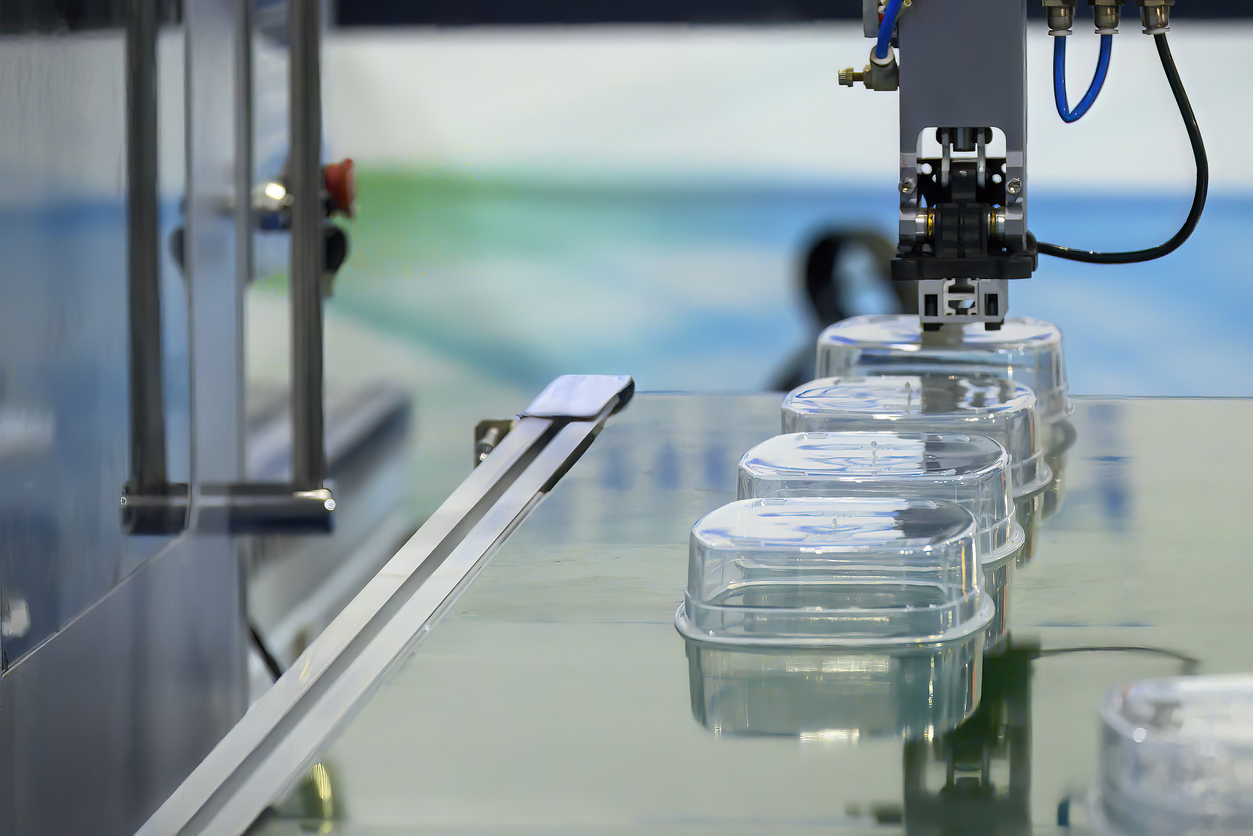
When it comes to injection molding, selecting the right machines is crucial. There are three main types to consider: hydraulic, electric, and hybrid. Each machine type offers unique benefits, and the selection process is often dependent on several factors. These include the material being used, the complexity of the part, the size of the product, and the desired production volume. For instance, hydraulic machines are known for their impressive clamping force and ability to handle large-scale production with a higher capacity for force. They are often chosen for manufacturing bigger parts where the material flow and part size play a significant role. On the other hand, electric machines are valued for their energy efficiency and high-speed capabilities, making them ideal for more precise, small-scale manufacturing.
Hybrid machines combine the strengths of both hydraulic and electric systems, offering a balance of improved performance and efficiency. These are particularly useful when you need the versatility to switch between high force and speed. As technology advances, these machines are equipped with more advanced controls and sensors, allowing for better precision and reducing downtime, which is essential for maintaining a consistent production flow. This makes injection molding not only effective but also adaptable to the ever-evolving demands of modern manufacturing.
What is Injection Molding?
Injection molding is a precise procedure used for creating a wide variety of plastic articles with high accuracy and speed. This process is not only fast but also efficient, allowing manufacturers to produce a large number of identical items ranging from micro parts to large modules. It is commonly used for engineering components, disposable consumer goods, and even big items like wheelie bins and car bumpers. It also enables the integration of insert injection molding for incorporating metal or other materials into molded plastic parts. What makes this technique unique is its ability to make flexible designs in various shapes and sizes, catering to diverse industries. Whether you’re looking at small, intricate parts or larger products, injected molded components offer the versatility needed by many manufacturers to meet different needs and applications.
What Will Be the Procedure?
The process of injection molding involves several steps and can be quite complex. First, the material in the form of small particles is fed into hoppers and then moves into heated barrels where it is melted by heater bands. This molten material is then injected through a nozzle into a mould cavity, which shapes the final product. As the material cools, it hardens into the pattern of the mould. The tool used for this is usually mounted on a movable plate, and once the part is solidified, it is ejected using ejector pins.
This procedure is widely used in China and other countries where manufacturers rely on injection molding to produce a variety of plastic products. The moulds themselves are typically made from different metals like aluminum or steel, depending on the requirements of the final product. These moulds are designed by skilled engineers and industrial designers, making sure they meet precise specifications. This method has become extremely popular due to its efficiency and ability to create complex shapes and sizes in large quantities, making it a go-to choice for many industries worldwide. The precision of the molding process often requires complementary services like CNC machining service for mold creation and maintenance, ensuring high-quality results.
What Are Products?
Injection molding can be used to produce many different types of plastic products, both small and big. It is a versatile process that allows manufacturers to create everyday items like power-tool housing, disposable razors, and recycling boxes. It’s also used for more complex products such as electrical switches, television cabinets, and automotive dashboards. Large items like wheelie bins and automotive bumpers are also commonly made using this method due to its ability to handle diverse shapes and sizes.
Beyond consumer goods, injection molding is vital for producing key medical items such as drug inhalation units, syringes, and even DVDs. Common household items like telephone handsets, washing-up bowls, bottle lids, and battery casings are also made using this method. The adaptability of injection molding means it can meet a wide range of needs across industries, making it an essential part of modern manufacturing. However, the overall cost-effectiveness of the process is also influenced by CNC machining cost, especially when precision is critical in mold-making and part production.
Injection Molding Machines
Choosing the right injection molding machine depends on various specific requirements and the type of product you want to create. There are three main types of machines: electric, hydraulic, and hybrid. Each has its own unique features and benefits. For example, electric machines are known for their energy efficiency, faster process, and clean operation with less downtime, making them ideal for precise parts. Hydraulic machines offer better force and are often more affordable, making them suitable for producing stronger parts at a cheaper price.
Hybrid machines combine the best of the first two types, providing an efficient combination of power and precision. They offer flexible designs and better accuracy, making them popular for varied production needs. These advanced machines are now equipped with developed technologies, such as built-in computers and sensor-fed controls, ensuring consistent quality and reliable output. With such advancements, injection molding machines can now produce high-quality products more efficiently, meeting the increasing demands of the industry.

