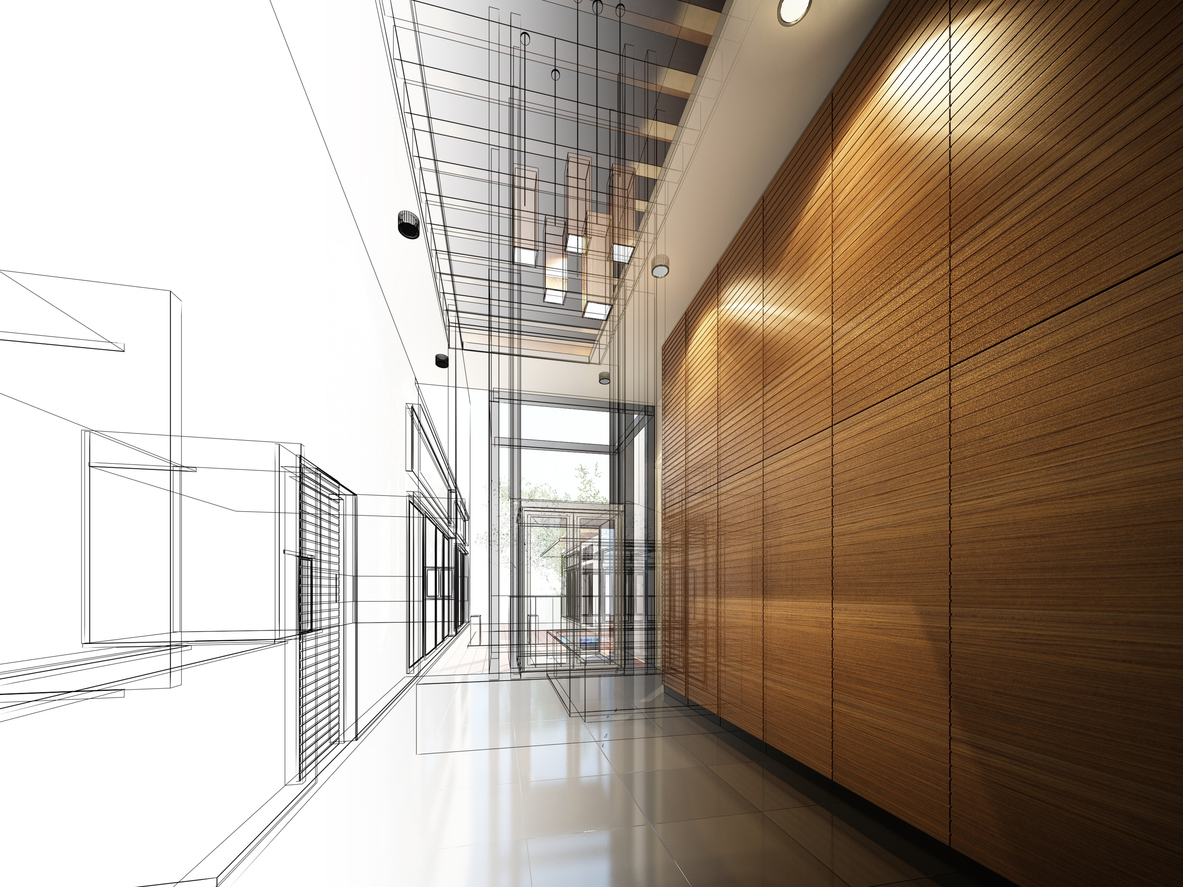
Leveraging cutting-edge technology is crucial for staying ahead in the dynamic world of construction. One such powerful tool is 3D lift planning, which is revolutionizing how construction professionals approach various projects. This technology provides enhanced visualization and precision, allowing for better project optimization and risk management. This post explores how 3D lift planning can transform nine critical construction projects, offering practical insights and guidance for industry professionals.
Mechanical and HVAC Systems
Mechanical and HVAC systems are critical components in modern construction, ensuring comfort and functionality within buildings. Utilizing 3D lift planning in these projects offers numerous advantages. First, detailed visualizations enable precise planning and coordination, reducing the likelihood of costly errors and rework. Teams can simulate different lift scenarios, allowing them to select the most efficient approach while considering potential obstacles.
Furthermore, 3D lift planning enhances communication among stakeholders, fostering collaboration from the design phase to installation. By visualizing the entire process, all parties involved can understand the project’s nuances and make informed decisions. This ensures that all elements are installed accurately and efficiently, minimizing disruptions and downtime.
Finally, integrating 3D lift planning in mechanical and HVAC projects allows for seamless integration with building information modeling (BIM). This synergy enables a more holistic approach to project management, providing real-time updates and fostering proactive problem-solving.
Steel Erection
Steel erection projects demand precision and accuracy, as they form the backbone of any construction endeavor. 3D lift planning significantly enhances this process by offering an unparalleled level of detail and foresight. By simulating lifts and sequences, construction teams can anticipate challenges and address them proactively.
This advanced planning capability not only streamlines operations but also improves safety on the construction site. With a clear understanding of the lifting process, workers can better identify potential hazards and implement measures to mitigate risks. Consequently, this reduces the likelihood of accidents and promotes safe work environments.
Additionally, 3D lift planning allows for accurate resource allocation, ensuring that both manpower and equipment are utilized effectively. This optimized approach results in cost savings and increased project efficiency, ultimately contributing to the successful completion of steel erection projects.
Generators
Installing generators in construction projects is a complex task that requires meticulous planning and coordination. 3D lift planning simplifies this process by providing a comprehensive overview of the lifting sequence and logistics. By visualizing each step, construction professionals can make informed decisions, reducing the risk of errors and delays.
The use of 3D lift planning also enhances communication among team members and stakeholders, ensuring everyone is aligned and informed throughout the project. This collaborative approach fosters efficient workflows, minimizing the potential for misunderstandings and miscommunications.
Furthermore, 3D lift planning facilitates the identification of potential constraints and bottlenecks, allowing teams to develop strategies for overcoming these challenges. This proactive approach ensures that generator installations proceed smoothly and efficiently, contributing to the overall success of the project.
Electrical Poles
Installing electrical poles requires precision and accuracy to ensure proper alignment and functionality. 3D lift planning significantly improves this process by providing a detailed visualization of the entire lifting sequence. This technology enables construction professionals to anticipate potential challenges and devise strategies for overcoming them.
The use of 3D lift planning also promotes safety on the worksite, as it allows teams to identify hazards and implement measures to mitigate risks. By understanding the lifting process in detail, workers can minimize the likelihood of accidents and create a safer working environment.
Additionally, 3D lift planning enhances communication among team members, fostering collaboration and ensuring that all parties are informed and aligned throughout the project. This streamlined approach contributes to the efficient and successful completion of electrical pole installations.
Roofing
Roofing projects can be complex and challenging, requiring meticulous planning and coordination. 3D lift planning simplifies this process by offering a comprehensive overview of the entire project, enabling construction professionals to make informed decisions and optimize workflows.
By visualizing the lifting process, teams can identify potential obstacles and devise strategies to address them proactively. This approach not only improves efficiency but also enhances safety on the worksite by minimizing the risk of accidents and disruptions.
Furthermore, 3D lift planning fosters communication and collaboration among team members and stakeholders, ensuring that everyone is informed and aligned throughout the project. This streamlined approach contributes to the successful and timely completion of roofing projects, resulting in satisfied clients and improved project outcomes.
Heavy Equipment
Heavy equipment plays a crucial role in construction projects, and 3D lift planning can significantly enhance their deployment and utilization. By providing a detailed visualization of the entire lifting sequence, construction professionals can make informed decisions and optimize workflows.
This advanced planning capability allows teams to anticipate potential challenges and devise strategies to address them proactively. This proactive approach not only improves efficiency but also enhances safety on the worksite by minimizing the risk of accidents and disruptions.
Additionally, 3D lift planning facilitates the identification of potential constraints and bottlenecks, allowing teams to develop strategies for overcoming these challenges. This optimized approach ensures that heavy equipment is used effectively, contributing to the overall success of construction projects.
Carpentry
Carpentry projects require precision and accuracy to ensure high-quality results. 3D lift planning significantly improves this process by providing a comprehensive overview of the entire project, enabling construction professionals to make informed decisions and optimize workflows.
By visualizing the lifting process, teams can identify potential obstacles and devise strategies to address them proactively. This approach not only improves efficiency but also enhances safety on the worksite by minimizing the risk of accidents and disruptions.
Furthermore, 3D lift planning fosters communication and collaboration among team members and stakeholders, ensuring that everyone is informed and aligned throughout the project. This streamlined approach contributes to the successful and timely completion of carpentry projects, resulting in satisfied clients and improved project outcomes.
Hot Tubs
Installing hot tubs in construction projects can be complex and challenging, requiring meticulous planning and coordination. 3D lift planning simplifies this process by offering a comprehensive overview of the entire project, enabling construction professionals to make informed decisions and optimize workflows.
By visualizing the lifting process, teams can identify potential obstacles and devise strategies to address them proactively. This approach not only improves efficiency but also enhances safety on the worksite by minimizing the risk of accidents and disruptions.
Additionally, 3D lift planning enhances communication among team members, fostering collaboration and ensuring that all parties are informed and aligned throughout the project. This streamlined approach contributes to the efficient and successful completion of hot tub installations.
Pools
Pool installations are intricate projects that require careful planning and execution. 3D lift planning can significantly enhance this process by providing a comprehensive overview of the entire project, enabling construction professionals to make informed decisions and optimize workflows.
By visualizing the lifting process, teams can identify potential obstacles and devise strategies to address them proactively. This approach not only improves efficiency but also enhances safety on the worksite by minimizing the risk of accidents and disruptions.
Furthermore, 3D lift planning fosters communication and collaboration among team members and stakeholders, ensuring that everyone is informed and aligned throughout the project. This streamlined approach contributes to the successful and timely completion of pool installations, resulting in satisfied clients and improved project outcomes.
Final Thoughts
3D lift planning is revolutionizing the construction industry by providing enhanced visualization and precision for a wide range of projects. From mechanical and HVAC systems to pool installations, this technology enables construction professionals to optimize workflows, improve safety, and achieve better project outcomes.
By leveraging 3D lift planning, construction professionals can stay ahead of the curve and ensure successful project completion. For those looking to explore the benefits of 3D lift planning further, consider reaching out to industry experts from trusted companies like Floyd Steel Erectors, Inc. or seeking additional resources to help you integrate this powerful technology into your projects.

