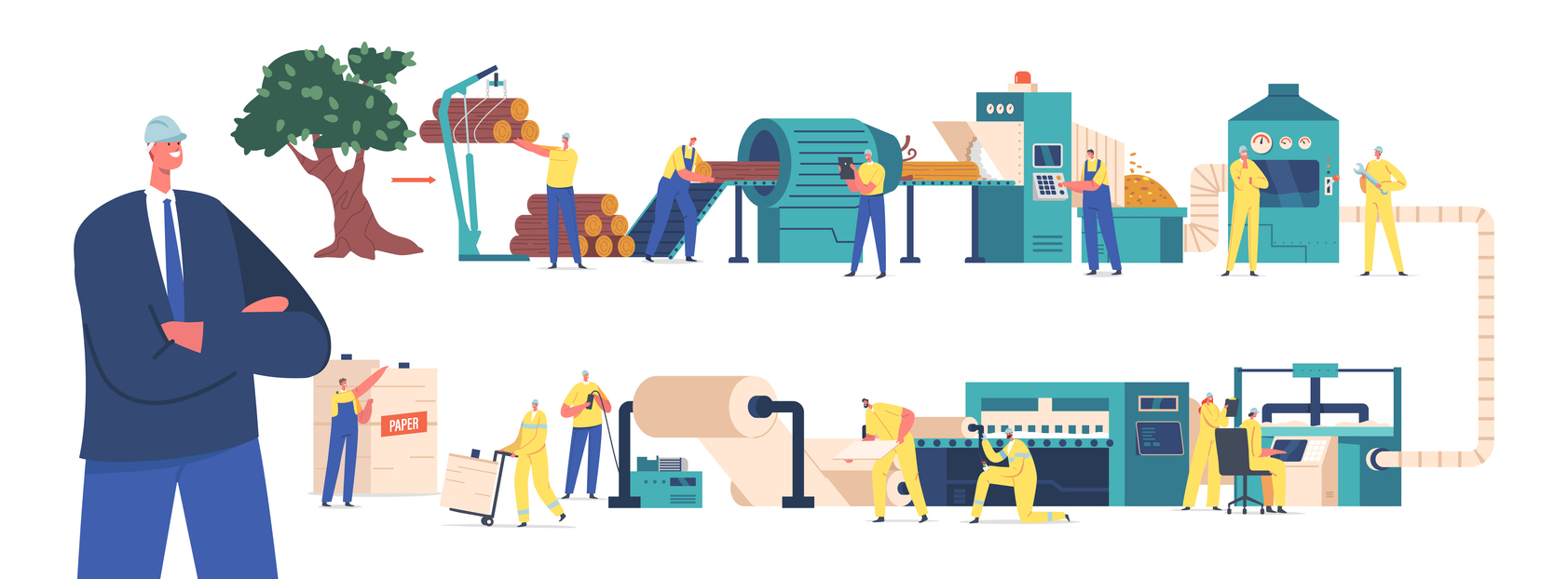
Companies trying to increase output and remain competitive depend on improving their manufacturing capabilities. Businesses can streamline manufacturing, increase efficiency, and uphold quality by concentrating on worker training, technology adoption, and effective supply chain management. This article will go over five important ways on how focusing on people, technology, and cutting-edge methods may help companies advance their manufacturing abilities.
Train Workers and Develop Their Skills
Improving your company’s manufacturing capacity calls for a significant commitment to worker training and growth. Employees who receive thorough training know how to operate tools properly, follow safety procedures, and make large contributions to product quality. To fulfill the evolving demands of your organization, consider initiating distinct skill improvement programs, training workshops, and cross-training activities that empower your workers with diverse abilities. Developing a culture that values learning encourages innovation and improves production effectiveness.
Make Use of Cutting-Edge Technology
Using modern technologies will enable your company to significantly raise its production capacity. Among other technologies, automation, artificial intelligence, and the Internet of Things (IoT) can help to quickly finish procedures, reduce errors, and raise productivity. Similarly, other technologies such as a linear actuator can enhance the movement control of various equipment, allowing for precise adjustments in automated systems.
Streamline Your Supply Chain
Any business trying to raise its production capacity depends critically on good supply chain management. Close collaboration with suppliers ensures the timely delivery of high-quality materials; therefore, companies should develop solid bonds with their suppliers. Just-in-time delivery techniques can help reduce inventory costs by ensuring that materials arrive precisely when required. Increasing visibility across the supply chain using software tools lets you track the status of supplies and instantly react to delays. To lessen reliance on one source and hence lower prospective risk, think about expanding your provider base.
Implement Lean Manufacturing Principles
Your business can greatly improve efficiency and cut waste by introducing lean manufacturing principles. The basic goal of lean production is to streamline procedures and cut down on anything that doesn’t add value. Begin by carrying out a detailed analysis of your present production process in order to find bottlenecks and wastage. Implementation of Techniques like 5S helps organize the workplace, while Value Stream Mapping directs you in recognizing and eliminating non-value-adding steps. Ensuring that resources are used efficiently under a pull system produces output based on client demand and serves to prevent overproduction.
Regularly Review and Optimize Processes
Regularly evaluating and improving your company’s production processes is the key to constant improvement. Execute a procedure where production methods are regularly evaluated in order to find opportunities for development. Examine output levels, resource usage, and quality benchmarks in order to determine how effectively your processes operate. Encourage employees to provide their views since they may offer insightful information about possible improvements. When inefficiencies or bottlenecks are found, quickly apply modifications to increase workflow. A robust practice of continuous process optimization enables your business to respond quickly to market changes, improve stability, and continuously advance production capacity while consistently delivering high-quality results.
Conclusion
Improving a company’s manufacturing abilities needs a thorough plan that includes employee training, technological advancements, effective supply chain management, lean production methods, and continuous process optimization. Such actions increase output, lower waste, and advance quality control while equipping companies to react quickly to shifting market demands. Commitment to improving manufacturing capacity gives enterprises a competitive edge in the market while preparing them for future expansion.

