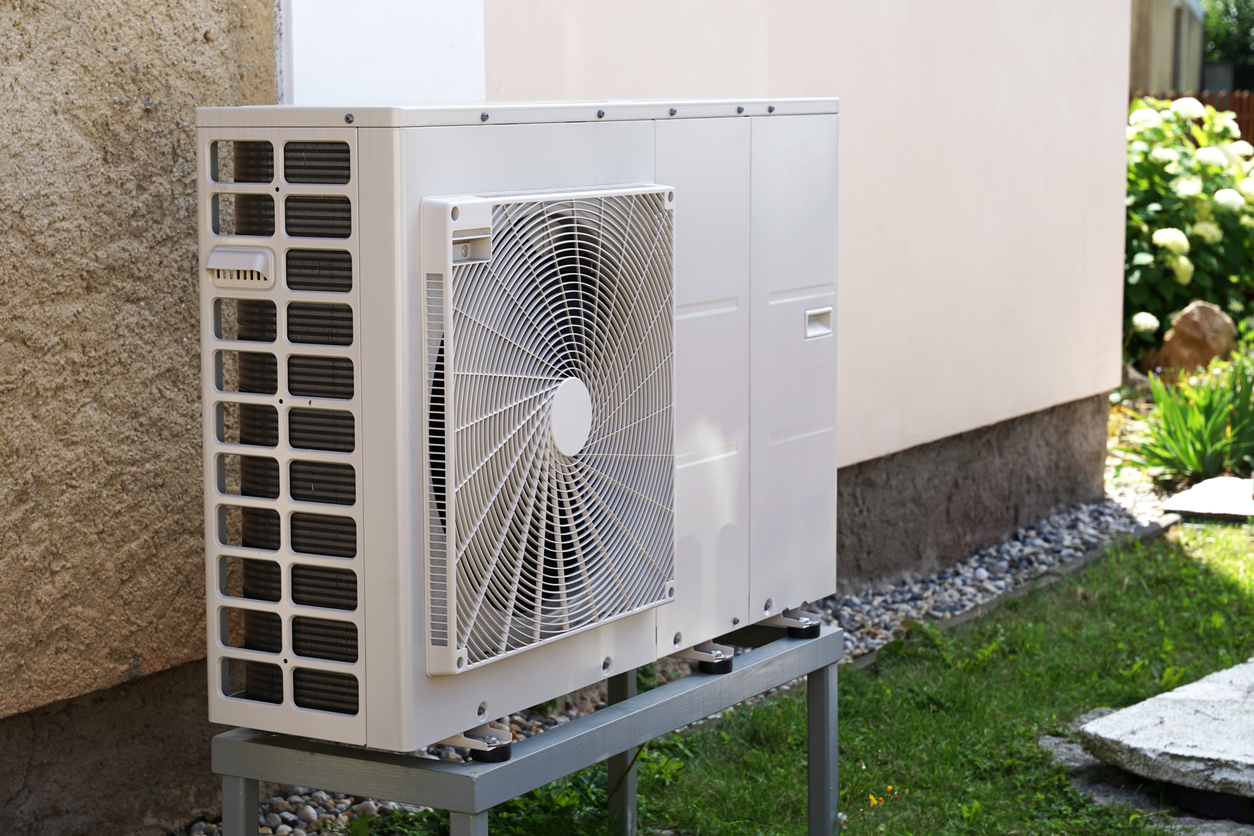
A heat pump is a system that heats and cools your home. Many homeowners don’t realize they can save money by making their heat pumps work better. When you improve how your heat pump runs, you can lower your energy bills and stay more comfortable. This guide will tell you heat pump efficiency tips to get the most out of your heat pump system.
Understanding Heat Pump Efficiency
How Heat Pumps Work?
A heat pump doesn’t make heat as a furnace does. Instead, it moves heat from one place to another.
- In winter: It grabs warmth from the outside air (yes, even cold air has some heat) and pumps it inside.
- In summer: It does the reverse—pulling heat out of your home and pushing it outside.
Your heat pump has two main parts: the indoor unit and the outdoor unit. They work together using a special liquid called refrigerant that carries heat back and forth.
How Efficient Is Your System?
When you’re shopping for a new heat pump (or evaluating yours), look for these two numbers:
| Metric | What It Means | The Bottom Line |
| SEER2 (Seasonal Energy Efficiency Ratio) | How well it cools in summer | Higher = lower summer bills |
| HSPF2 (Heating Seasonal Performance Factor) | How well it heats in winter | Higher = lower winter bills |
The higher these numbers, the less energy you’re paying for—and that’s what matters.
What Affects Your System’s Performance?
Your heat pump’s efficiency depends on several things:
- Outside temperature: It works best in mild weather (not extreme cold or heat)
- Your home’s insulation: Better insulation = less work for your heat pump
- System size: If it’s the wrong size for your home, it’ll be inefficient
- Maintenance: This one you control completely
Understand Your Current Situation
Before you make changes, you need to understand your current situation. Look at your energy bills from last year. Are they getting higher? Is your home comfortable, or are some rooms too cold or too hot?
Call a professional heating and cooling technician to check your system. They can run tests to see if everything is working correctly. This is the starting point for improvement.
Common Problems to Identify
There are problems that make heat pumps work harder than they should:
- Dirty filters reduce airflow.
- Refrigerant leaks mean your system can’t move heat properly.
- Broken thermostats are not able to control temperature for heat pump efficiency.
- Clogged ducts block air from reaching rooms.
A professional can find these problems and fix them because they have the proper tools. But you can also do a quick check yourself: look at your air filter, feel the air from your vents, and listen for odd noises.
Easy Maintenance You Can Do Right Now
Change Your Air Filter
Your air filter traps dust and debris. When it gets clogged, your system has to work twice as hard to push air through. This is the single easiest thing you can do.
How often? Check it monthly. Replace it every 1-3 months depending on the type (check the box).
Why it matters: A clean filter saves energy immediately.
Clean Your Outdoor Unit
Your outdoor unit needs to breathe. When leaves, dirt, and grass block it, your system can’t move air.
What to do:
- Check the outdoor unit several times a year
- Remove leaves and debris around it
- Keep plants at least 2 feet away
- In winter, gently brush off snow and ice (never use a pressure washer—water damages it)
Check Your Ductwork
Your ducts are the “highways” for heated and cooled air. Leaky ducts waste that air before it reaches your rooms.
Quick inspection:
- Look at your ducts in the attic or basement
- Spot any gaps or loose connections?
- Seal small gaps with duct tape
- Call a pro for bigger issues
The payoff: Sealed ducts mean more conditioned air reaches your rooms, and your system doesn’t have to work as hard.
Check Your Thermostat
Your thermostat tells your heat pump when to run. If it’s wrong, nothing works right.
Quick test: Compare your thermostat’s temperature reading with an actual thermometer. If they don’t match, your thermostat might need adjusting or replacing. It’s worth fixing.
Upgrade to a Smart Thermostat:
If your thermostat is old and manual, this is one of the best investments you can make. Smart thermostats:
- Learn your habits and adjust automatically
- Let you control them from your phone
- Show you exactly how much energy you’re using
- Save energy when you’re away or sleeping
According to ENERGY STAR, homes which undergo extreme temperature fluctuations throughout the year will generally get higher savings with ENERGY STAR-certified smart thermostats.
Let a Professional Handle This
Refrigerants are the main component of your heat pump. When levels are low, it cannot do its job. But only a professional should check and refill it; that is the thing. They have special equipment, and all the safety rules are known to them.
Ensure that you always do these:
- Have a technician optimize the system before heating and cooling seasons for better performance.
- If your system uses an outdated refrigerant, ask a professional if upgrading is practical and worth it.
- Regularly checking for leaks could lead to a loss in efficiency, damage to equipment, and harm to the environment.
- The refrigerant charge is critical, as an overcharge or undercharge will reduce the efficiency of the system.
Upgrade Insulation of Your Building
| Improvement Area | What to Do? | Why Does It Help? |
| Air Sealing | Check around windows, doors, and places where pipes or wires enter the home. Seal small gaps with caulk or weatherstripping. | Sealing air leaks reduces the load on your heat pump significantly. Less work = lower bills. |
| Upgrade Insulation | Add insulation where it’s lacking—especially the attic. That’s where most heat escapes. Basement walls and crawl spaces also benefit. | Insulation is like adding layers to a sweater. It slows down heat transfer, keeping your home warmer in winter and cooler in summer. |
| Improvement of Windows | Old windows are heat-loss machines. If replacing old windows isn’t affordable, start with weatherstripping and heavy curtains. When possible, upgrade to energy-efficient, well-insulated windows. | Older windows allow a lot of heat to move in and out, creating loss of heat. |
| Attic & Basement Ventilation | Ensure the attic has adequate vents to release hot air and that the basement has enough airflow to control moisture. | Good ventilation prevents moisture buildup, mold, and excessive heat. It also means a healthier, more comfortable home. |
Advanced Strategies for Maximum Efficiency
Dual-Fuel Systems
A dual-fuel system pairs your heat pump with a gas furnace. Your heat pump does the work in normal weather, but when it gets really cold, the gas furnace takes over. Why? Because at extreme temperatures, gas is actually more efficient. Best of both worlds.
Variable-Speed Compressors
Older systems run at full speed all the time—like your car always going 60 mph. Newer systems have variable-speed compressors that adjust their speed based on your actual heating or cooling needs. Less energy, more comfort, steadier temperatures.
Zoning Systems
Divide your home into separate zones with individual temperature controls. Only heat or cool the rooms you’re actually using. This is especially great for large homes or when people want different temperatures in different areas.
Solar Integration
Solar panels can power your heat pump during the day. This reduces your energy bills and environmental impact. Some people install solar specifically to run their heat pump efficiently.
Heat Recovery Ventilation (HRV/ERV Systems)
These systems bring fresh outside air into your home while capturing the energy from the air being exhausted. They preheat incoming air in winter and precool it in summer. Your heat pump has less work to do, and you get better indoor air quality too.
Your Seasonal Maintenance Plan
Before Heating Season (October-November)
- Have your system professionally serviced
- Replace air filters
- Clean your outdoor unit
- Verify refrigerant levels
- Make sure the thermostat is working
- Locate and seal air leaks around windows and doors.
- Look at attic and basement insulation.
- Look for ductwork leaks.
Before Cooling Season (April-May)
- Schedule professional maintenance
- Replace air filters
- Deep clean the outdoor unit
- Check refrigerant charge
- Test thermostat
- Clear vents and returns
- Check window seals
- Verify ductwork connections
Quarterly Checks (Year-Round)
- Look at your outdoor unit (any debris?)
- Check your air filter
- Make sure thermostat is working
- Listen for strange noises
- Feel the temperature at your vents
- Confirm all vents are clear
- Check for water leaks near the indoor unit
Improvement Checklist & Expected Payback
| Improvement | Cost | Energy Savings | Time to Break Even |
| Filter replacement | Very low | Low | Immediate |
| Air sealing | Low | Low to medium | 1-2 years |
| System maintenance | Low | Medium | Ongoing benefit |
| Smart thermostat | Medium | Medium | 1-3 years |
| Insulation upgrade | High | High | 3-5 years |
| New windows | High | Medium to high | 5-10 years |
| Dual-fuel system | Very high | High | 5-8 years |
Common Mistakes You Shall Avoid
- Setting the thermostat too high or low — This doesn’t speed things up; it just wastes energy.
- Ignoring filter maintenance — A clogged filter forces your system to work overtime.
- Blocking vents and returns — Furniture, curtains, and clutter reduce airflow.
- Neglecting the outdoor unit — Dirt and debris destroy performance. Keep it clean.
- Oversizing your system — A too-large system cycles on and off constantly, wasting energy.
- Skipping annual maintenance — Small problems become big (expensive) ones fast.
- Closing off unused rooms — This makes your system work harder, not easier. Leave interior doors open.
- Sticking with an old, manual thermostat — They waste energy because it can’t adjust automatically.
Your Path to Maximum Efficiency Starts Now!
You don’t need to go to HVAC training to make your heat pump run more efficiently. You can begin with straightforward maintenance, add a smart thermostat, seal air leaks, address insulation issues and follow heat pump tips for efficiency. These actions function together to lessen your bills and enhance your comfort.
If you need professional heating and cooling experts help—whether it’s an inspection, maintenance, or a major upgrade—COOL-AID CO. specializes in helping homeowners get the most out of their heat pump systems. Their experienced team can assess your specific situation and recommend the right upgrades for your home and budget. Whether you’re tackling this project solo or want professional guidance every step of the way, they’re here to make sure your heat pump runs at peak efficiency.

