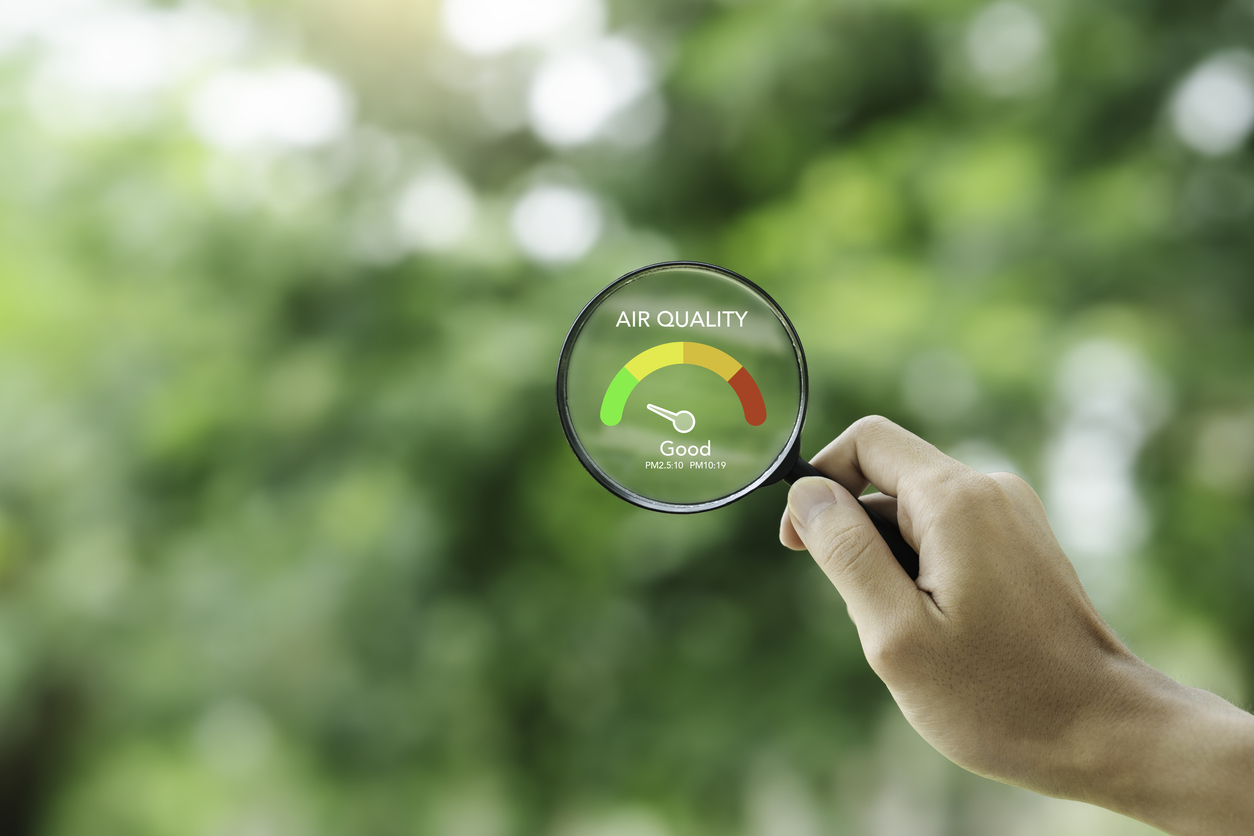
Laboratory environments demand precision. Scientists follow rigorous protocols, maintain detailed records, and implement quality controls to ensure their results withstand scrutiny. Yet a single factor often escapes notice until damage is already done: the air circulating through the lab itself. Contaminated air can compromise experiments in ways that are harder to detect and correct than straightforward data errors, making air quality management as critical as any other component of the scientific method.
Air Quality and Experimental Integrity
The air flowing through a laboratory carries invisible particles, chemical vapors, and microbial contaminants that directly interact with sensitive experiments. Unlike a flawed calculation or transcription error that can be caught during peer review, airborne contamination may corrupt results without leaving obvious traces. A microscopy study examining cellular structures can be undermined by dust particles settling on slides, creating false images that researchers might misinterpret as genuine biological phenomena. Trace chemical vapors from building materials, cleaning products, or outdoor pollution can alter pH levels in solutions or interfere with delicate analytical measurements.
The insidious nature of air contamination lies in its subtlety. Bad data often produces obviously anomalous results that trigger investigation. Contaminated air, by contrast, can introduce systematic errors that skew findings in ways that appear plausible and internally consistent. A researcher might accept results that fall within expected ranges, never suspecting that airborne particles have quietly altered the conditions under which measurements were taken. This false confidence can lead to the publication of flawed findings that waste years of subsequent research effort across the scientific community.
Common Sources of Laboratory Air Contamination
Laboratory air becomes contaminated through multiple pathways, many of which are preventable with proper management. Outdoor air drawn into the building carries dust, pollen, industrial emissions, and vehicle exhaust. Indoor sources include human activity, equipment operation, cleaning procedures, and materials used in construction or renovation. Solvent vapors from paint or adhesives can persist for weeks, affecting precision measurements in chemistry labs where gas chromatography or mass spectrometry requires extremely clean air supplies.
Personnel movement creates another significant contamination source. When staff members enter and exit labs, they introduce particles and microorganisms on their clothing, skin, and in exhaled breath. In microbiology labs, this transfer can introduce unwanted bacterial or fungal spores that compromise cultures or sterile tissue preparations. Equipment operation also contributes: furnaces, heating systems, and machinery generate fine particles and sometimes chemical off-gassing. Malfunctioning HVAC systems or clogged filters fail to remove these contaminants effectively, allowing them to accumulate and persist in the lab environment.
Detection Challenges and Hidden Costs
Identifying air contamination requires specific monitoring equipment and expertise that not all research facilities maintain. Standard visual inspection cannot detect most airborne particles or chemical contaminants. Particulate counters and chemical sensors exist, but their cost and specialized operation mean many labs operate without real-time air quality data. Researchers might attribute unexpected variability in results to experimental technique, sample preparation, or instrument calibration, never considering that the air itself has shifted between experiments.
The financial and professional consequences of contaminated air are substantial. Wasted reagents, lost experimental time, and invalidated results drain research budgets and delay progress. When contamination goes undetected, researchers may publish findings that cannot be replicated by other laboratories, damaging professional reputations and consuming peer reviewers’ time investigating phantom effects. Graduate students and early-career researchers suffer particular harm, as their limited publication record means a single retraction carries disproportionate weight. For collaborative research teams, one lab’s air contamination problem can cascade across multiple institutions when data conflicts emerge.
Establishing Proper Air Handling Systems
Effective contamination control begins with appropriate HVAC system design, installation, and maintenance. Modern laboratory facilities use dedicated air handling units with staged filtration: pre-filters remove large particles, HEPA filters capture submicron dust and microorganisms, and activated charcoal layers eliminate chemical vapors. The system must maintain positive or negative pressure depending on lab type, preventing uncontrolled air exchange with adjacent spaces. A microbiology lab requires negative pressure to contain potential pathogens, while a clean room for sensitive instrumentation may need positive pressure to keep contaminants out.
Regular maintenance is non-negotiable. HEPA filters require replacement on schedule, typically annually, though frequency depends on air quality and lab activity. Ductwork, diffusers, and return vents accumulate dust and debris over time and need periodic cleaning and inspection. Many labs fail at this stage, operating with degraded systems that appear functional but deliver compromised air quality.
Documentation of maintenance activities, filter replacement dates, and any observed issues creates an audit trail that helps correlate air quality with experimental outcomes when unexpected variability occurs. In precision environments where lens fabrication and optical coating processes demand particle-free conditions, an optical lab air purification system ensures that airborne contaminants do not compromise surface quality or measurement accuracy during critical production stages. Facilities that formalize these records are better positioned to diagnose recurring problems and justify system upgrades to institutional administrators.
Monitoring and Continuous Improvement
Progressive research facilities implement ongoing air quality monitoring as standard practice. Particle counters placed at strategic locations provide data on contamination trends and help pinpoint problem areas. Chemical monitoring might focus on contaminants relevant to the work performed: volatile organic compounds in chemistry labs, viable microorganism levels in sterile work areas, or specialized compounds from equipment operation. This data informs maintenance schedules and identifies when upgrades are needed.
Staff training amplifies the effectiveness of air management systems. Personnel must understand how their actions affect air quality and why protocols matter. Proper entry procedures, gowning requirements, and hand hygiene reduce personnel-generated contamination. Awareness of material handling practices prevents unnecessary introduction of dust or chemical vapors. When staff can recognize signs of system malfunction, such as reduced airflow or unusual odors, problems are caught and corrected quickly rather than silently degrading experimental conditions for months.
Conclusion
Contaminated air represents a hidden threat to scientific integrity that operates outside the traditional peer review and quality control mechanisms that catch bad data. Its effects can be systematic, subtle, and nearly impossible to detect without deliberate monitoring. Research institutions that prioritize air quality management, invest in proper HVAC systems, commit to regular maintenance, and implement continuous monitoring protect their research output and advance the broader scientific enterprise. By recognizing that the air itself is a fundamental component of experimental conditions, laboratories can prevent wasted resources, protect their reputation, and ensure that the data they generate reflects genuine scientific findings rather than artifacts of contamination. This commitment to air quality is not peripheral to good science; it is foundational to it.

