When was the last time you scheduled maintenance for your building’s heating and cooling system? Many business owners overlook this critical task until something breaks, leaving them scrambling for emergency repairs that cost far more than preventive service would have. Understanding how to properly maintain your HVAC system is essential for protecting your investment, keeping employees comfortable, and avoiding costly downtime. Regular servicing keeps your equipment running efficiently and extends its lifespan significantly. This guide walks you through the essential information every business owner needs to know about HVAC maintenance.
Why Regular HVAC Servicing Matters for Your Business
Your HVAC system is one of the largest operating expenses in most commercial buildings, and it works year-round to maintain comfortable temperatures for your staff and customers. When this system is not properly serviced, it gradually loses efficiency, forcing it to work harder and consume more energy. A well-maintained HVAC unit can reduce energy costs by up to 15 percent compared to a neglected system. Beyond energy savings, regular servicing prevents unexpected breakdowns that could disrupt business operations during critical seasons like summer or winter. Comfortable indoor temperatures also directly impact employee productivity and customer satisfaction, making maintenance a business necessity rather than an optional expense. Companies that prioritize HVAC maintenance experience fewer complaints about temperature control and less lost productivity from equipment failures.
Understanding What Professional HVAC Servicing Includes
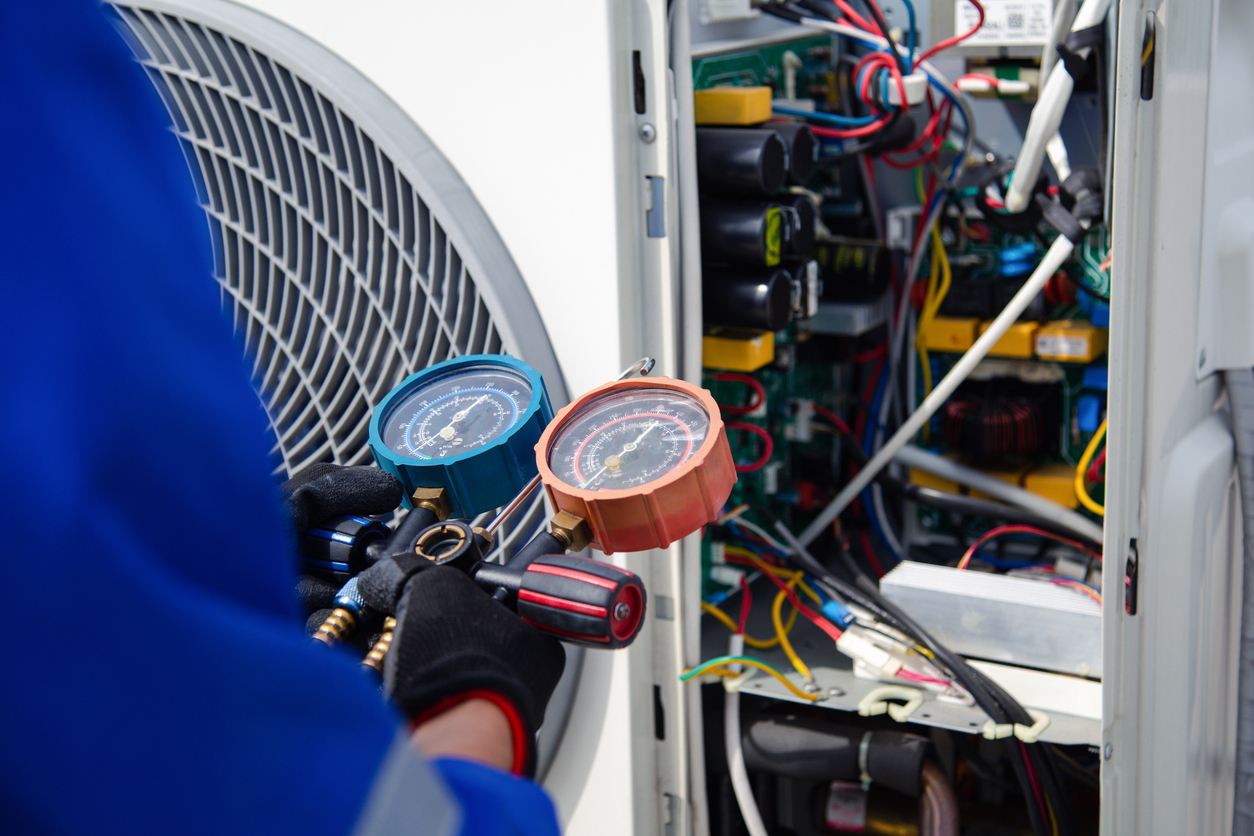
Professional HVAC servicing goes far beyond simply checking that your system turns on. A comprehensive service visit typically includes inspecting all major components, cleaning or replacing filters, checking refrigerant levels, testing electrical connections, and evaluating system performance. Technicians examine ductwork for leaks, inspect the thermostat for accuracy, and ensure all moving parts are properly lubricated. They also check for safety issues, such as proper venting and potential carbon monoxide leaks in gas-fired systems. A thorough inspection can identify small problems before they become major failures that require expensive equipment replacement. Each service appointment creates a documented record of your system’s condition, which is valuable for warranty purposes and helps track any recurring issues over time.
How Often Should Your HVAC System Be Serviced
The frequency of HVAC servicing depends on your specific system, local climate, and how heavily the equipment is used. Most commercial HVAC systems benefit from professional maintenance at least twice per year: once before the cooling season begins and once before heating season starts. Systems in particularly demanding climates or those running continuously throughout the day may need quarterly inspections. Newer systems under warranty often require annual service to maintain coverage, so always review your warranty documentation. Regular servicing according to the manufacturer’s recommendations protects your equipment investment and keeps your warranty valid. Establishing a predictable maintenance schedule with a qualified contractor ensures consistent care and helps you budget for these essential services throughout the year.
Selecting the Right HVAC Service Provider
Not all HVAC contractors provide equal quality of service, so choosing the right partner matters significantly. Look for companies with proper licensing, insurance, and technician certifications from recognized organizations. Read customer reviews and ask for references from other businesses they have serviced, particularly those in your industry. A reliable contractor should provide clear, itemized quotes before beginning work and explain what services are included in their maintenance packages. They should also be willing to discuss energy efficiency improvements and answer questions about your specific system. Business owners who rely on HVAC service in New Jersey from Anton Plumbing Heating & Cooling benefit from working with technicians who are familiar with regional climate demands and can tailor maintenance programs to the specific needs of commercial buildings in the area. Building a long-term relationship with a trusted service provider means someone familiar with your building’s history and needs is always handling your equipment.
Common HVAC Problems That Regular Servicing Prevents
Many expensive HVAC repairs can be prevented through routine maintenance and early detection. Refrigerant leaks, compressor failures, and blower motor problems often develop gradually, and trained technicians can spot warning signs during service visits. Clogged filters restrict airflow and force your system to work harder, reducing efficiency and potentially damaging internal components. Electrical issues, such as corroded connections or failing capacitors, can cause system shutdowns without warning. Ductwork leaks and insulation problems allow conditioned air to escape, reducing efficiency and increasing energy costs. Addressing these issues during scheduled maintenance prevents emergency breakdowns that force you to close your business or operate in uncomfortable conditions.
Creating a Maintenance Plan That Works for Your Business
Developing an HVAC maintenance strategy tailored to your specific business needs ensures consistent service and predictable costs. Work with your service provider to schedule appointments during your slowest business periods, minimizing operational disruption. Many contractors offer maintenance agreements that bundle regular service visits at a discounted rate, providing budget predictability. These plans often include priority emergency service if problems arise between scheduled visits. Document all service performed, including which components were checked, what was cleaned or repaired, and any recommendations for future upgrades. Keep these records accessible for reference and share them with any future contractors who service your system.
Conclusion
Proper HVAC servicing is a fundamental responsibility of business ownership that protects both your financial investment and your operational success. Regular professional maintenance prevents costly emergency repairs, maintains system efficiency, and ensures your employees and customers enjoy comfortable working conditions year-round. By understanding what servicing includes, establishing a consistent maintenance schedule, and partnering with qualified contractors, you can maximize your HVAC system’s lifespan and performance. The relatively modest cost of routine servicing is far outweighed by the benefits of avoided downtime and reduced energy expenses. Make HVAC maintenance a priority in your building management strategy and you will enjoy reliable comfort and dependable equipment for years to come.

